
暂无数据
ALL
暂无数据
FAQ
Retract
Subscribe to our Newsletter
 2026-10-13 | 003Sanitary Butterfly Valve Selection Guide: How to Specify a Hygienic Butterfly ValveRead MoreThe sanitary butterfly valve is the most-specified valve in any hygienic plant — cheap, compact, fast and easy to clean. It is also the valve most often mis-specified, which is why a unit that "looked fine on paper" starts leaking after one CIP season. This guide covers the seven decisions that determine whether your butterfly valve holds up: seat material, connection and standard, actuation, torque sizing, finish and maintenance.
 2026-10-08 | 003Sanitary Tube and Valve Standards Compared: DIN 11850, ISO 2037, SMS 3008, BS 4825 and ASME BPERead More"Send us a 2-inch valve." Sounds simple — until the DIN line, the ISO line and the American line all turn out to have different outside diameters. Here is the comparison table our engineers use every day, and the five rules that prevent 90% of sanitary connection mistakes.
 2026-10-07 | 003Sanitary AB Valve Troubleshooting: Leakage, Seal Failure and Sticking — Causes, Fixes and a Maintenance ScheduleRead MoreIn hygienic plants, seals — not valve bodies — cause over 80% of valve service issues, and most of them announce themselves weeks in advance. This guide walks through the symptoms our service engineers meet most often, what each one really means, and the maintenance rhythm that keeps AB valves leak-free for years.
 2026-09-18 | 003Differences in Surface Treatment Processes for Pipe Fittings and Selection GuidelinesRead MoreSurface treatments fall into three categories: chemical (addressing corrosion resistance), mechanical (addressing appearance), and electrochemical (addressing both). When selecting a method, first consider three factors: the required level of corrosion resistance, the strictness of cleanliness standards, and the budget.
 2026-09-11 | 003Why do stainless steel valves and pipe fittings still rust? Isn't stainless steel supposed to be "rust-proof"?Read MoreStainless steel relies on an extremely thin "chromium oxide film" (passivation layer) on its surface to prevent rust; while corrosion-resistant, it is not immune to rusting forever. Rust will occur if this film is damaged, contaminated by iron particles, or exposed to overly harsh environmental conditions.
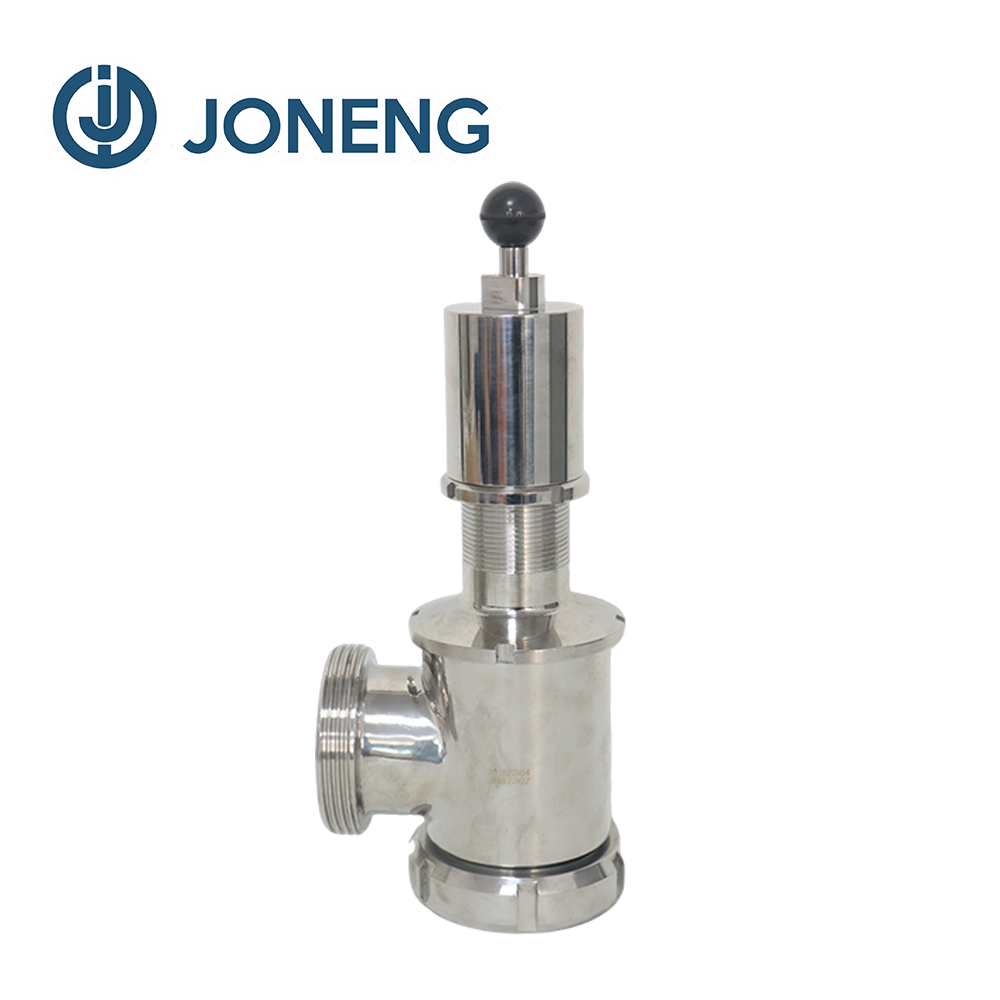 2026-09-02 | 003The difference between safety valves and pressure reducing valvesRead MoreIn fluid piping systems, pressure management is a crucial aspect of ensuring the reliable operation of the entire system. Safety valves and pressure reducing valves may appear similar, as both are valve components designed to manage pressure. Many novice users easily confuse the two, even using them interchangeably. However, they actually address two completely different problems: one serves the daily operation of equipment, while the other handles the risk of sudden failures.
 2026-08-31 | 003Screw pump vs. cam rotor pumpRead MoreBoth screw pumps (single screw) and rotary lobe pumps are positive displacement pumps, primarily used for conveying high-viscosity pastes and shear-sensitive materials. They are self-priming, and their flow-through components can be made of 316L stainless steel, while seals are made of FDA-compliant EPDM or PTFE. Although their applications overlap, their structures differ, resulting in significant differences in conveying performance, maintenance methods, and material compatibility.
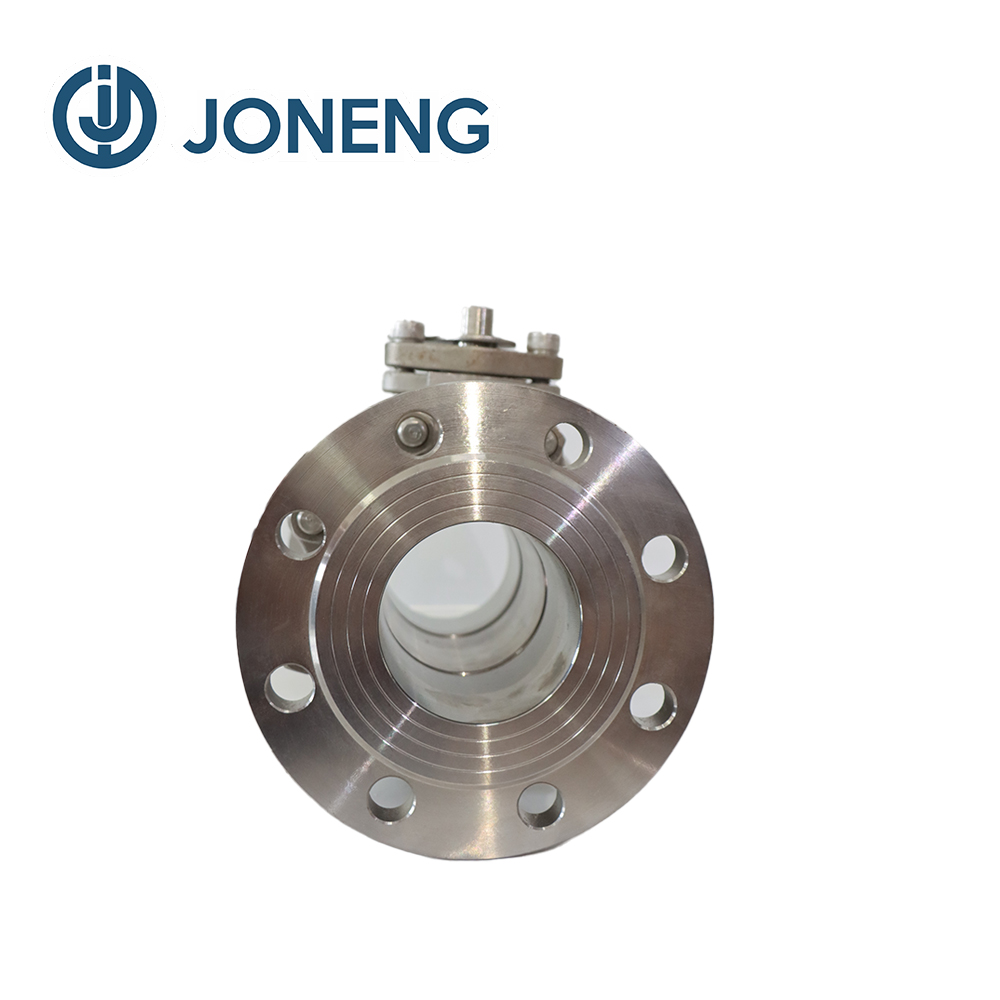 2026-08-25 | 003What are the differences in pressure rating between industrial-grade and sanitary-grade stainless steel flanges?Read MoreStainless steel flanges are widely used in various industrial sectors, from heavy chemical industry to pharmaceuticals and food processing.
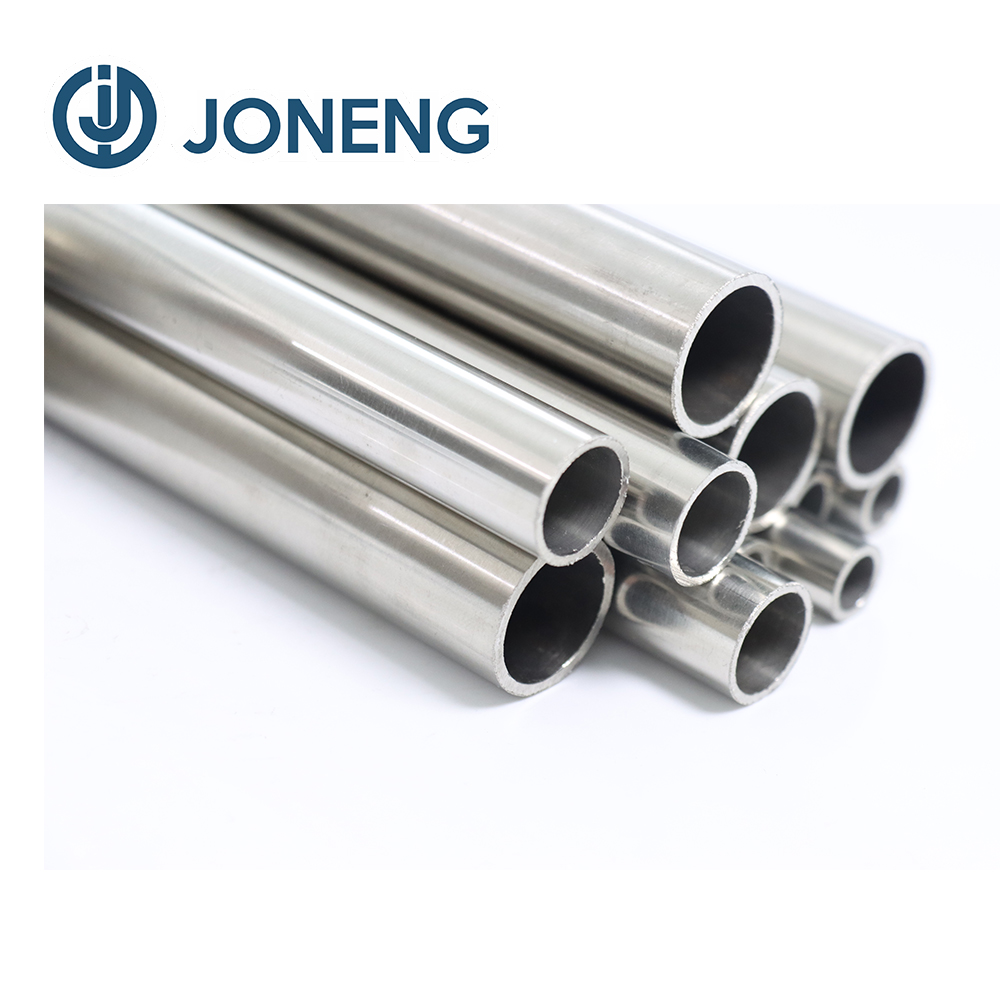 2026-08-24 | 003Stainless steel industrial and sanitary pipe fittings: clamps, threads, welding - which is the easiest to clean?Read MoreStainless steel piping systems are widely used in various industrial sectors, from heavy chemical industry to high-purity biopharmaceuticals. However, there is a fundamental gap in cleanliness requirements between "industrial grade" and "hygienic grade," and the logic behind their connection methods is also completely different.
 2026-08-18 | 003What are the key design features of stainless steel butterfly valves?Read MoreButterfly valves, as a type of valve with a simple structure and rapid opening and closing, play an important role in industrial pipeline systems. When stainless steel is chosen as the main material of a butterfly valve, its design needs to make fuller use of the corrosion-resistant properties of the material, based on the general butterfly valve structure.
- 1
- 2
- 3
- 4
- 5