
What are the key design features of stainless steel butterfly valves?
author: 003
2026-08-18

What are the key design features of stainless steel butterfly valves?
I. Innovative Evolution of Sealing Systems
Sealing design is the core technical aspect of stainless steel butterfly valves. Traditional butterfly valves mostly employ a centrally symmetrical sealing structure, meaning the valve stem axis lies within the plane containing the valve body channel centerline and the butterfly plate sealing surface centerline. In this structure, the butterfly plate is constantly subjected to compression friction with the valve seat sealing surface throughout the opening and closing process, much like a flat plate being forcibly twisted within an elastic ring. Wear is unavoidable, making it particularly unsuitable for frequent operation or high-temperature conditions.
To overcome this limitation, modern high-performance stainless steel butterfly valves have developed eccentric sealing systems, with the triple eccentric structure representing the pinnacle of design. Triple eccentricity refers to the valve stem centerline being set with three different eccentricities relative to the valve body channel centerline, the butterfly plate sealing surface centerline, and the valve body sealing surface centerline. This design brings about a fundamental kinematic revolution: the moment the valve opens, the butterfly plate sealing surface immediately disengages from the valve seat sealing surface, eliminating sliding friction between the two sealing surfaces throughout the entire opening and closing stroke; and upon final closure, with the continuous force applied by the drive mechanism, the butterfly plate undergoes elastic radial displacement, achieving a "wedge-type" compression seal on the valve seat.
This "open-and-disengage, close-and-tighten" kinematic characteristic allows the triple eccentric butterfly valve to completely eliminate the reliance on elastic soft sealing materials such as rubber found in traditional butterfly valves, instead enabling the use of an all-metal sealing pair. The direct benefits are: significantly reduced wear on the sealing surface, resulting in a significantly extended valve lifespan; simultaneously, because the sealing pair is no longer limited by the upper temperature resistance limit of elastic materials, the applicable temperature range of the valve is greatly expanded, enabling it to handle various operating conditions from cryogenic to high-temperature thermal pipelines.
II. Structural Configuration and Flow Channel Design
Sealing design is the core technical aspect of stainless steel butterfly valves. Traditional butterfly valves mostly employ a centrally symmetrical sealing structure, meaning the valve stem axis lies within the plane containing the valve body channel centerline and the butterfly plate sealing surface centerline. In this structure, the butterfly plate is constantly subjected to compression friction with the valve seat sealing surface throughout the opening and closing process, much like a flat plate being forcibly twisted within an elastic ring. Wear is unavoidable, making it particularly unsuitable for frequent operation or high-temperature conditions.
To overcome this limitation, modern high-performance stainless steel butterfly valves have developed eccentric sealing systems, with the triple eccentric structure representing the pinnacle of design. Triple eccentricity refers to the valve stem centerline being set with three different eccentricities relative to the valve body channel centerline, the butterfly plate sealing surface centerline, and the valve body sealing surface centerline. This design brings about a fundamental kinematic revolution: the moment the valve opens, the butterfly plate sealing surface immediately disengages from the valve seat sealing surface, eliminating sliding friction between the two sealing surfaces throughout the entire opening and closing stroke; and upon final closure, with the continuous force applied by the drive mechanism, the butterfly plate undergoes elastic radial displacement, achieving a "wedge-type" compression seal on the valve seat.
This "open-and-disengage, close-and-tighten" kinematic characteristic allows the triple eccentric butterfly valve to completely eliminate the reliance on elastic soft sealing materials such as rubber found in traditional butterfly valves, instead enabling the use of an all-metal sealing pair. The direct benefits are: significantly reduced wear on the sealing surface, resulting in a significantly extended valve lifespan; simultaneously, because the sealing pair is no longer limited by the upper temperature resistance limit of elastic materials, the applicable temperature range of the valve is greatly expanded, enabling it to handle various operating conditions from cryogenic to high-temperature thermal pipelines.
II. Structural Configuration and Flow Channel Design
The stainless steel butterfly valve inherits the inherent compact advantages of butterfly valves in its overall structure—small size, few parts, and light weight. Its core actuating component is a single disc-shaped butterfly plate, which can switch from fully open to fully closed with a 90° rotation, offering a short operating stroke and rapid response.
In terms of flow channel design, when the valve is fully open, the butterfly plate thickness becomes the only local resistance source in the flow channel. An excellent streamlined butterfly plate cross-section design effectively reduces the flow resistance coefficient, giving the valve good flow capacity. For large-diameter butterfly valves, truss or frame-type butterfly plate structures are often used in the design, minimizing the solid area while ensuring sufficient rigidity to increase the flow space and reduce fluid resistance. Furthermore, the connection method between the butterfly plate and the valve stem is carefully designed; commonly used tapered pin connections or key connections must balance the reliability of torque transmission with the convenience of disassembly and maintenance.
In terms of valve body structure, stainless steel butterfly valves mainly come in two configurations: wafer type and flange type. The wafer type structure is more compact and suitable for space-constrained installations, but relies on the clamping force of the pipe flange to ensure overall stability; the flange type structure has its own flange end face, which can be directly connected to the standard pipe flange, making installation and positioning more convenient and reliable. The design must be based on the specific spatial layout of the piping system and the needs for maintenance and replacement, requiring reasonable selection of components.
III. Geometric Fit and Self-Tightening Effect of Sealing Surfaces
In terms of flow channel design, when the valve is fully open, the butterfly plate thickness becomes the only local resistance source in the flow channel. An excellent streamlined butterfly plate cross-section design effectively reduces the flow resistance coefficient, giving the valve good flow capacity. For large-diameter butterfly valves, truss or frame-type butterfly plate structures are often used in the design, minimizing the solid area while ensuring sufficient rigidity to increase the flow space and reduce fluid resistance. Furthermore, the connection method between the butterfly plate and the valve stem is carefully designed; commonly used tapered pin connections or key connections must balance the reliability of torque transmission with the convenience of disassembly and maintenance.
In terms of valve body structure, stainless steel butterfly valves mainly come in two configurations: wafer type and flange type. The wafer type structure is more compact and suitable for space-constrained installations, but relies on the clamping force of the pipe flange to ensure overall stability; the flange type structure has its own flange end face, which can be directly connected to the standard pipe flange, making installation and positioning more convenient and reliable. The design must be based on the specific spatial layout of the piping system and the needs for maintenance and replacement, requiring reasonable selection of components.
III. Geometric Fit and Self-Tightening Effect of Sealing Surfaces
The geometric design of the sealing surface is another key factor determining the sealing performance of a butterfly valve. In eccentric sealing systems, the butterfly plate sealing surface and the valve seat sealing surface are typically designed as a conical fit—that is, the butterfly plate sealing surface is a truncated cone, and the valve seat has a corresponding matching cone. This conical fit has significant engineering advantages: during the closing process, for every small angle the butterfly plate rotates, its sealing surface generates a definite displacement component along the axial direction, thus achieving a gradual fit with the valve seat, producing a "wedge-shaped locking" effect. The greater the driving torque, the tighter the fit, and the greater the sealing specific pressure, forming a positive feedback self-tightening effect.
The ingenuity of this design lies in its direct conversion of the external torque of the closing operation into the clamping force of the sealing surface, without relying on additional elastic elements or pressurizing devices. Under high-pressure media conditions, the fluid pressure itself will further clamp the butterfly plate, the so-called "medium self-sealing effect," providing double protection and significantly improving sealing reliability. IV. Stem Sealing and Dynamic Compensation Mechanism The shaft seal design at the stem extension of the valve body is a crucial line of defense against media leakage. The key design feature of the stainless steel butterfly valve's stem sealing structure lies in its dynamic adaptive compensation capability. Due to the repeated rotation of the valve stem during opening and closing operations, the sealing element at the shaft seal inevitably experiences wear. An excellent sealing cavity design reserves installation space for an elastic compensation element. When a slight gap appears in the sealing element due to wear, the pre-set elastic energy storage element automatically pushes the sealing element against the valve stem surface, achieving immediate gap compensation without frequent manual adjustments.
This adaptive compensation design concept extends the maintenance cycle of the shaft seal and improves the valve's sealing reliability during long-term operation. Simultaneously, the high smoothness and low roughness of the valve stem surface, achieved through special treatment, also provides a fundamental guarantee for reducing rotational friction and protecting the sealing element.
V. Adaptation of Drive Method and Operational Performance
The ingenuity of this design lies in its direct conversion of the external torque of the closing operation into the clamping force of the sealing surface, without relying on additional elastic elements or pressurizing devices. Under high-pressure media conditions, the fluid pressure itself will further clamp the butterfly plate, the so-called "medium self-sealing effect," providing double protection and significantly improving sealing reliability. IV. Stem Sealing and Dynamic Compensation Mechanism The shaft seal design at the stem extension of the valve body is a crucial line of defense against media leakage. The key design feature of the stainless steel butterfly valve's stem sealing structure lies in its dynamic adaptive compensation capability. Due to the repeated rotation of the valve stem during opening and closing operations, the sealing element at the shaft seal inevitably experiences wear. An excellent sealing cavity design reserves installation space for an elastic compensation element. When a slight gap appears in the sealing element due to wear, the pre-set elastic energy storage element automatically pushes the sealing element against the valve stem surface, achieving immediate gap compensation without frequent manual adjustments.
This adaptive compensation design concept extends the maintenance cycle of the shaft seal and improves the valve's sealing reliability during long-term operation. Simultaneously, the high smoothness and low roughness of the valve stem surface, achieved through special treatment, also provides a fundamental guarantee for reducing rotational friction and protecting the sealing element.
V. Adaptation of Drive Method and Operational Performance
Stainless steel butterfly valves are compatible with various drive methods, including manual, pneumatic, electric, and hydraulic actuation via worm gears. The design must be rationally configured according to the valve diameter, operating frequency, and automation control requirements. For butterfly valves operating under large diameters or high pressures, due to the large opening and closing torque, a worm gear reducer is typically used to reduce operating force and achieve a self-locking function, preventing accidental opening or closing of the butterfly plate due to media impact.
In flow regulation applications, the near-equal percentage flow characteristic of butterfly valves gives them a certain degree of regulation capability. In design, smooth flow regulation can be achieved by changing the flow channel obstruction area of the butterfly plate at different opening degrees. However, it should be noted that the adjustment accuracy and adjustability of butterfly valves are limited. For high-precision regulation requirements, the design needs to incorporate a positioner and an intelligent control unit to improve control quality.
In flow regulation applications, the near-equal percentage flow characteristic of butterfly valves gives them a certain degree of regulation capability. In design, smooth flow regulation can be achieved by changing the flow channel obstruction area of the butterfly plate at different opening degrees. However, it should be noted that the adjustment accuracy and adjustability of butterfly valves are limited. For high-precision regulation requirements, the design needs to incorporate a positioner and an intelligent control unit to improve control quality.
Conclusion
The key design features of stainless steel butterfly valves essentially revolve around achieving reliable sealing without relying on soft sealing materials. The frictionless opening and closing motion provided by the triple eccentric sealing system, the self-tightening effect derived from the conical surface fit, the adaptive compensation mechanism of the valve stem seal, and the compact and lightweight overall configuration collectively constitute the technical characteristics that distinguish stainless steel butterfly valves from other valve types. The synergistic effect of these design concepts enables stainless steel butterfly valves to maintain excellent performance in harsh operating conditions such as strong corrosion, high and low temperatures, and frequent operation, ensuring flexible opening and closing, reliable sealing, and low flow resistance. This makes them an important type of equipment in the field of industrial pipeline control that combines economy and functionality.
Stainless steel industrial and sanitary pipe fittings: clamps, threads, welding - which is the easiest to clean?
How to avoid leakage and scale buildup during the installation of sanitary pipe fittings for pure water equipment?
Related Article

Surface treatments fall into three categories: chemical (addressing corrosion resistance), mechanical (addressing appearance), and electrochemical (addressing both). When selecting a method, first consider three factors: the required level of corrosion resistance, the strictness of cleanliness standards, and the budget.
Differences in Surface Treatment Processes for Pipe Fittings and Selection Guidelines

Stainless steel relies on an extremely thin "chromium oxide film" (passivation layer) on its surface to prevent rust; while corrosion-resistant, it is not immune to rusting forever. Rust will occur if this film is damaged, contaminated by iron particles, or exposed to overly harsh environmental conditions.
Why do stainless steel valves and pipe fittings still rust? Isn't stainless steel supposed to be "rust-proof"?
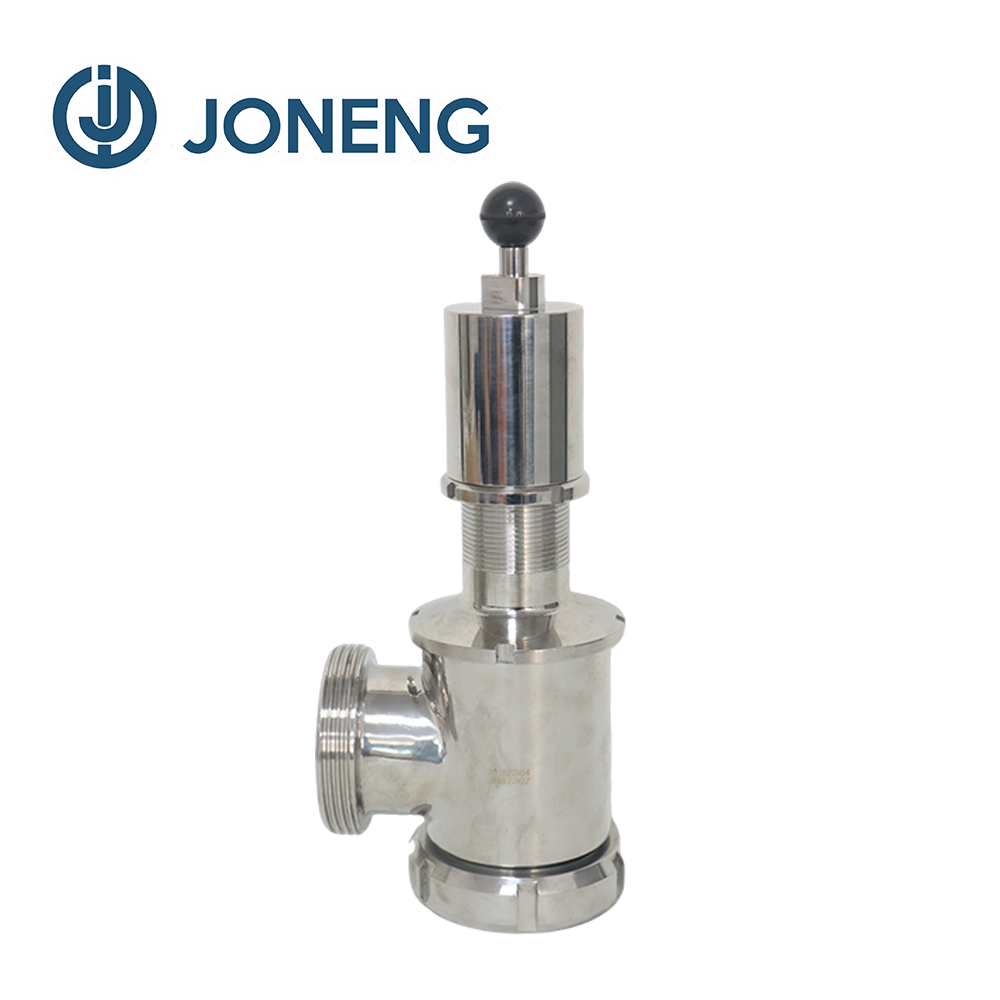
In fluid piping systems, pressure management is a crucial aspect of ensuring the reliable operation of the entire system. Safety valves and pressure reducing valves may appear similar, as both are valve components designed to manage pressure. Many novice users easily confuse the two, even using them interchangeably. However, they actually address two completely different problems: one serves the daily operation of equipment, while the other handles the risk of sudden failures.
The difference between safety valves and pressure reducing valves

Both screw pumps (single screw) and rotary lobe pumps are positive displacement pumps, primarily used for conveying high-viscosity pastes and shear-sensitive materials. They are self-priming, and their flow-through components can be made of 316L stainless steel, while seals are made of FDA-compliant EPDM or PTFE. Although their applications overlap, their structures differ, resulting in significant differences in conveying performance, maintenance methods, and material compatibility.
Screw pump vs. cam rotor pump