
What are the differences in pressure rating between industrial-grade and sanitary-grade stainless steel flanges?
author: 003
2026-08-25
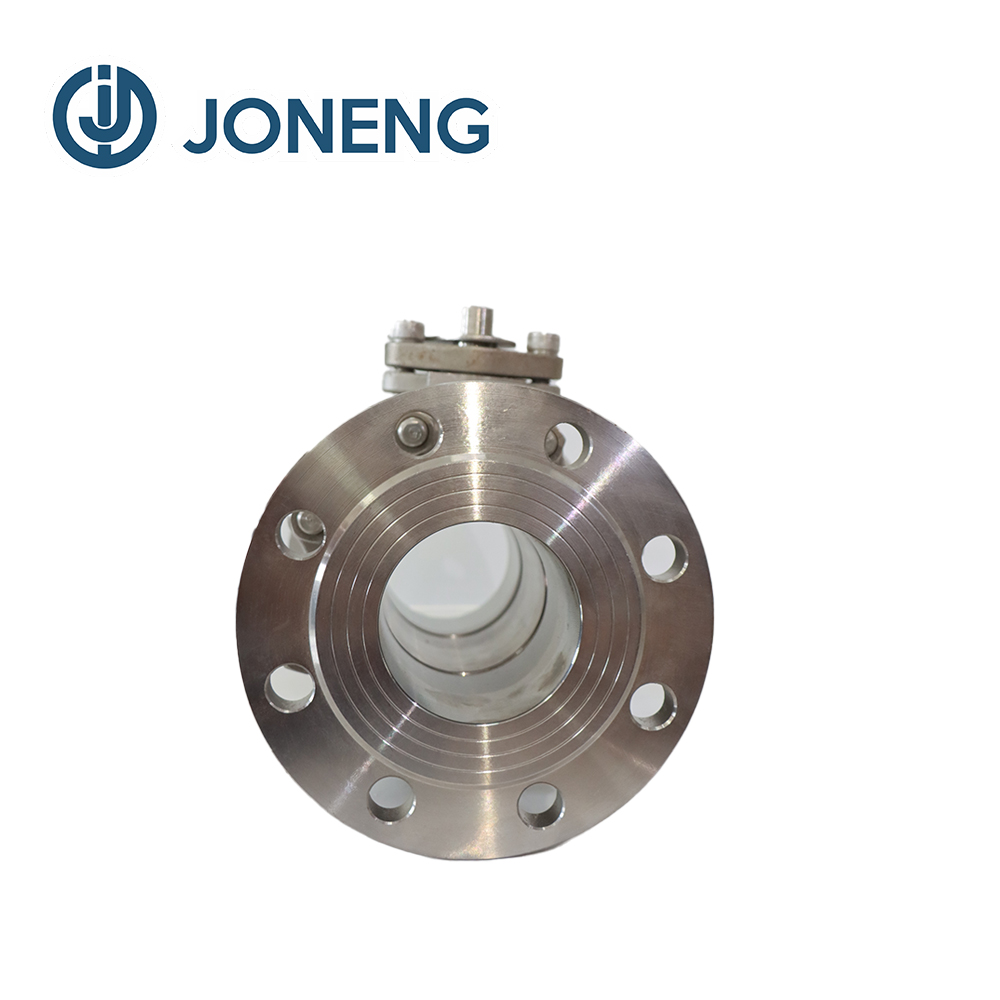
What are the differences in pressure rating between industrial-grade and sanitary-grade stainless steel flanges?
I. Differences between Standard System and Pressure Coverage
Industrial-grade stainless steel flanges adhere to a mature and comprehensive standard system. In the Chinese and European markets, the PN series defined by the national standard GB/T 9124 and the chemical industry standard HG/T 20592 ranges from low-pressure PN2.5 to ultra-high-pressure PN160, corresponding to a nominal pressure range of 0.25MPa to 16MPa. In North America and numerous international petrochemical projects, the Class series under the ASME B16.5 standard covers Class 150 to Class 2500, with Class 2500 having a maximum permissible working pressure of approximately 42MPa at room temperature. These two systems coexist, jointly constructing a complete pressure rating spectrum for industrial flanges from atmospheric pressure to ultra-high pressure.
In contrast, sanitary flanges have a much narrower pressure rating range. Sanitary flanges primarily comply with ASME BPE (Bioprocessing Equipment) standards, the DIN 11853 series, and relevant domestic pharmaceutical industry specifications. These standards prioritize cleanliness, surface finish, and washability, rather than high-pressure bearing capacity. The nominal pressure of typical sanitary flanges is concentrated between PN10 and PN16, meaning the maximum working pressure is approximately 1.0 MPa to 1.6 MPa. Taking the DIN 11864-2 sanitary flange standard as an example, its design allowable pressure is set according to pipe diameter: 25 bar for small diameters (12.7 to 41.0 mm), 16 bar for medium diameters (42.4 to 104.0 mm), and only 10 bar for large diameters (114.3 to 154.0 mm). Even in the higher configurations of the sanitary standard, the upper limit of its pressure resistance is basically limited to the low to medium pressure range of industrial grades.
In contrast, sanitary flanges have a much narrower pressure rating range. Sanitary flanges primarily comply with ASME BPE (Bioprocessing Equipment) standards, the DIN 11853 series, and relevant domestic pharmaceutical industry specifications. These standards prioritize cleanliness, surface finish, and washability, rather than high-pressure bearing capacity. The nominal pressure of typical sanitary flanges is concentrated between PN10 and PN16, meaning the maximum working pressure is approximately 1.0 MPa to 1.6 MPa. Taking the DIN 11864-2 sanitary flange standard as an example, its design allowable pressure is set according to pipe diameter: 25 bar for small diameters (12.7 to 41.0 mm), 16 bar for medium diameters (42.4 to 104.0 mm), and only 10 bar for large diameters (114.3 to 154.0 mm). Even in the higher configurations of the sanitary standard, the upper limit of its pressure resistance is basically limited to the low to medium pressure range of industrial grades.
II. Different operating conditions determine pressure positioning
Industrial flanges are used in extreme environments such as chemical reactors, oil refining units, high-pressure steam networks, and high-pressure fluid transportation. In these scenarios, the internal piping may simultaneously withstand the dual challenges of high temperatures (hundreds of degrees Celsius) and high pressures (several MPa to tens of MPa), while also facing dynamic pressure fluctuations such as thermal shock, water hammer, and alternating loads. Therefore, the selection logic for industrial flanges is "the flange should be designed to the highest pressure required by the process," with pressure resistance being the primary and uncompromising hard indicator.
Sanitary flanges, on the other hand, are mainly used in cleanroom applications such as pharmaceutical water for injection, bioreactors, aseptic food and beverage processing, and fine chemicals. The core characteristics of these systems are: the media are mostly liquids or slurries, the operating pressure is generally low, and the outlet pressure of material transfer pumps is typically in the several bar range. The most energy-intensive process—CIP (Clean-In-Place) cleaning fluid pressure—is generally only 3 to 5 bar, and the saturated steam pressure used in SIP (Standardized In-Place) sterilization is also between 3 and 6 bar. Overall, sanitary processes rarely involve continuous pressure conditions exceeding 1.6 MPa. Since the process itself does not require high pressure, the pressure rating of the flange does not need to be on par with industrial grade flanges. This is the direct reason why the pressure rating of sanitary flanges is relatively low.
Sanitary flanges, on the other hand, are mainly used in cleanroom applications such as pharmaceutical water for injection, bioreactors, aseptic food and beverage processing, and fine chemicals. The core characteristics of these systems are: the media are mostly liquids or slurries, the operating pressure is generally low, and the outlet pressure of material transfer pumps is typically in the several bar range. The most energy-intensive process—CIP (Clean-In-Place) cleaning fluid pressure—is generally only 3 to 5 bar, and the saturated steam pressure used in SIP (Standardized In-Place) sterilization is also between 3 and 6 bar. Overall, sanitary processes rarely involve continuous pressure conditions exceeding 1.6 MPa. Since the process itself does not require high pressure, the pressure rating of the flange does not need to be on par with industrial grade flanges. This is the direct reason why the pressure rating of sanitary flanges is relatively low.
III. Matching Relationship between Structural Design and Bearing Capacity
The pressure rating directly determines the type of flange structure to be used. Industrial flanges, due to their extremely wide pressure range, have the most diverse structural forms: for low-pressure scenarios (PN≤16 or Class 150), plate-type slip-on flanges or necked slip-on flanges can be used, which are cost-effective and easy to install; for medium- and high-pressure scenarios (PN≥25 or Class≥300), necked weld neck flanges must be selected, as their tapered neck structure effectively disperses stress concentration, ensuring that the seal integrity is maintained under high internal pressure and thermal expansion; in ultra-high-pressure conditions above Class 900, the flange wall thickness increases significantly, the number and specifications of bolts are upgraded accordingly, and even the use of ring joints (RTJ) with metal gaskets is required to achieve a reliable seal. The positive correlation between pressure bearing capacity and structural strength is vividly demonstrated in industrial flanges.
Sanitary flanges, however, have taken a different technical path. To meet cleanliness requirements, sanitary flanges are usually made using integral molding or precision forging processes, and the inner wall is mechanically polished or even electrochemically polished, achieving a surface roughness of Ra≤0.4μm. In terms of sealing surface design, sanitary flanges strive to avoid grooves and dead angles, with common forms including conical seals and O-ring flat seals. Gaskets are mostly made of modified PTFE or silicone rubber that meets FDA requirements. These designs are not pressure-resistant—soft gaskets and shallow groove sealing surfaces pose a risk of extrusion and leakage at pressures exceeding 2.0 MPa. It can be said that the structural optimization direction of sanitary flanges is "as smooth as possible, as residue-free as possible," rather than "as thick as possible to resist pressure"—the design philosophies of the two are exactly opposite.
Sanitary flanges, however, have taken a different technical path. To meet cleanliness requirements, sanitary flanges are usually made using integral molding or precision forging processes, and the inner wall is mechanically polished or even electrochemically polished, achieving a surface roughness of Ra≤0.4μm. In terms of sealing surface design, sanitary flanges strive to avoid grooves and dead angles, with common forms including conical seals and O-ring flat seals. Gaskets are mostly made of modified PTFE or silicone rubber that meets FDA requirements. These designs are not pressure-resistant—soft gaskets and shallow groove sealing surfaces pose a risk of extrusion and leakage at pressures exceeding 2.0 MPa. It can be said that the structural optimization direction of sanitary flanges is "as smooth as possible, as residue-free as possible," rather than "as thick as possible to resist pressure"—the design philosophies of the two are exactly opposite.
IV. Mirror Comparison of Selection Logic
The difference in selection logic best reflects the essential distinction between the two types of flanges. The selection of industrial-grade flanges is "inside-out"—first, the design pressure and temperature of the pipeline are determined; then, the nominal pressure rating that meets the requirements is looked up in standards; finally, the flange's structural type and sealing surface form are determined based on the rating. The entire process starts with pressure parameters, and pressure-bearing capacity is the decisive factor.
The selection logic for sanitary-grade flanges is almost the opposite. Designers first consider the cleanliness requirements—whether electropolishing is needed, whether cleanability needs verification, and whether the sealing material has passed biocompatibility testing—only after these cleanliness indicators are met do they verify whether the flange's rated pressure can cover the process requirements. Because sanitary process pressures are generally low, this verification step usually does not become an obstacle to selection. In other words, the pressure rating of sanitary-grade flanges is a "passive confirmation item," not an "active driving item."
The selection logic for sanitary-grade flanges is almost the opposite. Designers first consider the cleanliness requirements—whether electropolishing is needed, whether cleanability needs verification, and whether the sealing material has passed biocompatibility testing—only after these cleanliness indicators are met do they verify whether the flange's rated pressure can cover the process requirements. Because sanitary process pressures are generally low, this verification step usually does not become an obstacle to selection. In other words, the pressure rating of sanitary-grade flanges is a "passive confirmation item," not an "active driving item."
Conclusion
In summary, the difference in pressure ratings between industrial-grade and sanitary-grade stainless steel flanges ultimately stems from their fundamentally different functional orientations. Industrial-grade flanges offer a comprehensive pressure rating system covering an ultra-wide range from PN2.5 to Class 2500, with pressure capacities reaching tens of MPa. Their design revolves around "withstanding harsh operating conditions." Sanitary-grade flanges, on the other hand, generally have pressure ratings concentrated in the PN10 to PN16 range, with an upper pressure limit of approximately 1.6 MPa. Their design focuses on "cleanliness and sterility," with pressure capacity being "sufficient only." There is no inherent superiority or inferiority between the two; the only difference lies in whether they are suitable for the chosen application scenario. The correct selection process is: first, define the process's cleanliness requirements, then assess whether the operating pressure is within the rated range of the selected flange—if the order is correct, the answer will be clear.
Screw pump vs. cam rotor pump
Stainless steel industrial and sanitary pipe fittings: clamps, threads, welding - which is the easiest to clean?
Related Article

"Send us a 2-inch valve." Sounds simple — until the DIN line, the ISO line and the American line all turn out to have different outside diameters. Here is the comparison table our engineers use every day, and the five rules that prevent 90% of sanitary connection mistakes.
Sanitary Tube and Valve Standards Compared: DIN 11850, ISO 2037, SMS 3008, BS 4825 and ASME BPE

In hygienic plants, seals — not valve bodies — cause over 80% of valve service issues, and most of them announce themselves weeks in advance. This guide walks through the symptoms our service engineers meet most often, what each one really means, and the maintenance rhythm that keeps AB valves leak-free for years.
Sanitary AB Valve Troubleshooting: Leakage, Seal Failure and Sticking — Causes, Fixes and a Maintenance Schedule

Surface treatments fall into three categories: chemical (addressing corrosion resistance), mechanical (addressing appearance), and electrochemical (addressing both). When selecting a method, first consider three factors: the required level of corrosion resistance, the strictness of cleanliness standards, and the budget.
Differences in Surface Treatment Processes for Pipe Fittings and Selection Guidelines

Stainless steel relies on an extremely thin "chromium oxide film" (passivation layer) on its surface to prevent rust; while corrosion-resistant, it is not immune to rusting forever. Rust will occur if this film is damaged, contaminated by iron particles, or exposed to overly harsh environmental conditions.
Why do stainless steel valves and pipe fittings still rust? Isn't stainless steel supposed to be "rust-proof"?