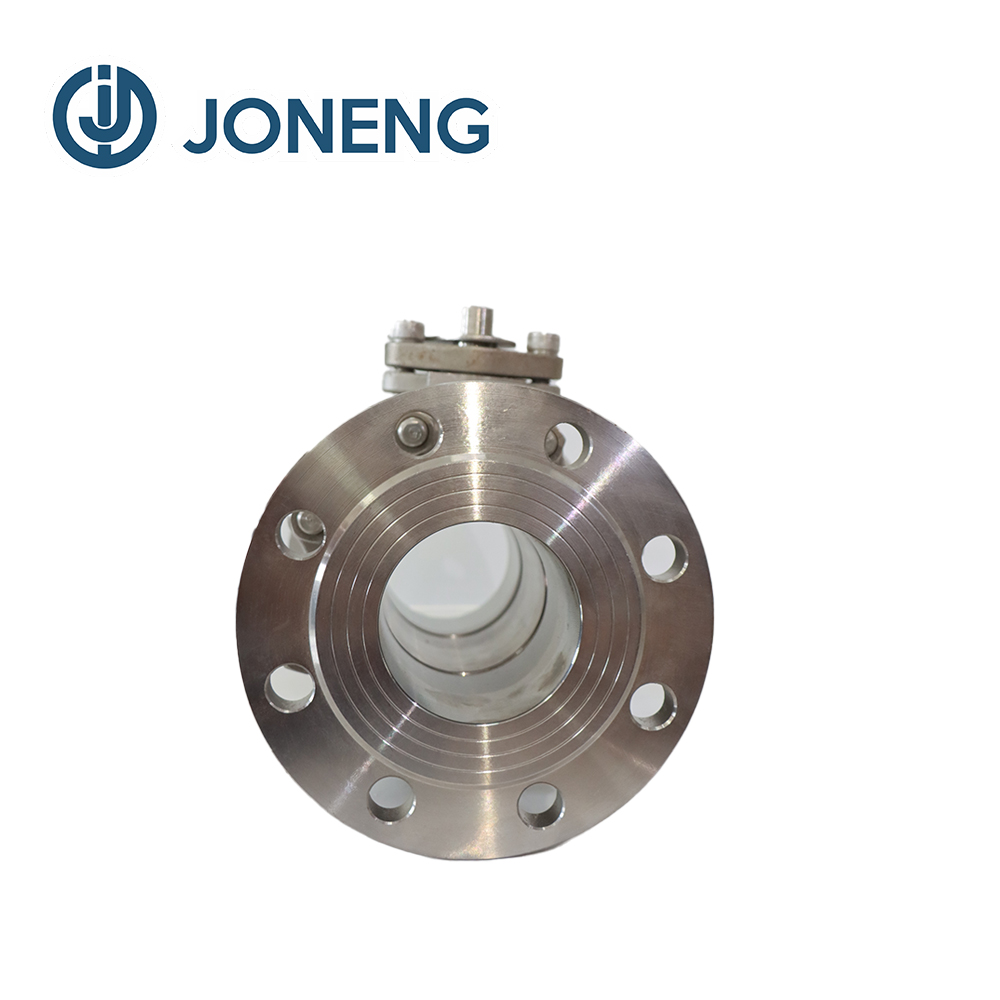
Differences in Surface Treatment Processes for Pipe Fittings and Selection Guidelines
author: 003
2026-09-18

Differences in Surface Treatment Processes for Pipe Fittings and Selection Guidelines
Surface treatments fall into three categories: chemical (addressing corrosion resistance), mechanical (addressing appearance), and electrochemical (addressing both). When selecting a method, first consider three factors: the required level of corrosion resistance, the strictness of cleanliness standards, and the budget.
I. Quick Overview of Process Differences
Pickling: A chemical surface treatment primarily used to remove oxide scale and weld discoloration. It results in a matte, silvery-white finish but does not improve surface roughness; cost is low.
Passivation: A chemical surface treatment that does not remove oxide scale; instead, it dissolves free iron from the surface and reforms a Cr₂O₃ passive film. It does not alter the product's appearance; cost is low.
Bright Annealing (BA): A surface treatment involving heat treatment in a vacuum or protective atmosphere. It relieves stress while maintaining a bright surface finish (roughness Ra ≤ 0.4 μm); cost is moderate.
Mechanical Polishing (MP): A mechanical surface treatment that achieves a mirror-like finish through progressive grinding. Surface roughness typically reaches Ra 0.4–0.8 μm; however, achieving uniform polishing on complex shapes is difficult; cost is moderate.
Sandblasting or Shot Blasting: Mechanical surface treatments that produce a matte finish (roughness Ra 1.6–12.5 μm) and enhance adhesion for subsequent coatings, though they do not increase surface gloss; cost is low.
Brushed or Oil-ground Finish: Mechanical surface treatments that create a directional texture capable of masking minor scratches; primarily used for decorative purposes; cost is low.
Electropolishing (EP): An electrochemical surface treatment that removes microscopic surface peaks via anodic dissolution, achieving roughness as low as Ra < 0.1 μm. It also removes burrs and the Beilby layer while creating a passive effect through chromium enrichment; cost is high.
Pickling: A chemical surface treatment primarily used to remove oxide scale and weld discoloration. It results in a matte, silvery-white finish but does not improve surface roughness; cost is low.
Passivation: A chemical surface treatment that does not remove oxide scale; instead, it dissolves free iron from the surface and reforms a Cr₂O₃ passive film. It does not alter the product's appearance; cost is low.
Bright Annealing (BA): A surface treatment involving heat treatment in a vacuum or protective atmosphere. It relieves stress while maintaining a bright surface finish (roughness Ra ≤ 0.4 μm); cost is moderate.
Mechanical Polishing (MP): A mechanical surface treatment that achieves a mirror-like finish through progressive grinding. Surface roughness typically reaches Ra 0.4–0.8 μm; however, achieving uniform polishing on complex shapes is difficult; cost is moderate.
Sandblasting or Shot Blasting: Mechanical surface treatments that produce a matte finish (roughness Ra 1.6–12.5 μm) and enhance adhesion for subsequent coatings, though they do not increase surface gloss; cost is low.
Brushed or Oil-ground Finish: Mechanical surface treatments that create a directional texture capable of masking minor scratches; primarily used for decorative purposes; cost is low.
Electropolishing (EP): An electrochemical surface treatment that removes microscopic surface peaks via anodic dissolution, achieving roughness as low as Ra < 0.1 μm. It also removes burrs and the Beilby layer while creating a passive effect through chromium enrichment; cost is high.
Three key insights:
1. Mechanical polishing does not guarantee corrosion resistance; excessive grinding can actually roughen the surface and trap contaminants.
2. The Beilby layer (an amorphous layer formed by work-hardening that contains embedded abrasive particles) left by mechanical polishing can only be removed through anodic dissolution; even the finest abrasives are ineffective. This is the fundamental reason why Electropolishing (EP) is irreplaceable.
3. For complex components (such as irregularly shaped fittings or internal surfaces), achieving uniform results via mechanical or manual polishing is difficult; only chemical polishing or EP can accomplish this.
1. Mechanical polishing does not guarantee corrosion resistance; excessive grinding can actually roughen the surface and trap contaminants.
2. The Beilby layer (an amorphous layer formed by work-hardening that contains embedded abrasive particles) left by mechanical polishing can only be removed through anodic dissolution; even the finest abrasives are ineffective. This is the fundamental reason why Electropolishing (EP) is irreplaceable.
3. For complex components (such as irregularly shaped fittings or internal surfaces), achieving uniform results via mechanical or manual polishing is difficult; only chemical polishing or EP can accomplish this.
II. ASME BPE Surface Designations (Essential for Pharmaceutical/Biotech Applications)
Note: Each designation specifies both a maximum Ra value and a required fabrication method; meeting the Ra limit without using the specified method constitutes non-compliance.
SF0: No surface roughness limit specified; no specific surface treatment method required.
SF1: Maximum surface roughness Ra 0.51 μm (20 μin); mechanical polishing required.
SF2: Maximum surface roughness Ra 0.64 μm (25 μin); mechanical polishing required.
SF3: Maximum surface roughness Ra 0.76 μm (30 μin); mechanical polishing required.
SF4: Maximum surface roughness Ra 0.38 μm (15 μin); electropolishing required as the final process step.
SF5: Maximum surface roughness Ra 0.51 μm (20 μin); electropolishing required as the final process step.
SF6: Maximum surface roughness Ra 0.64 μm (25 μin); electropolishing required as the final process step.
SF0: No surface roughness limit specified; no specific surface treatment method required.
SF1: Maximum surface roughness Ra 0.51 μm (20 μin); mechanical polishing required.
SF2: Maximum surface roughness Ra 0.64 μm (25 μin); mechanical polishing required.
SF3: Maximum surface roughness Ra 0.76 μm (30 μin); mechanical polishing required.
SF4: Maximum surface roughness Ra 0.38 μm (15 μin); electropolishing required as the final process step.
SF5: Maximum surface roughness Ra 0.51 μm (20 μin); electropolishing required as the final process step.
SF6: Maximum surface roughness Ra 0.64 μm (25 μin); electropolishing required as the final process step.
Common Reference Values: Pharmaceutical-grade water Ra < 0.76 μm (ISPE); WFI (Water for Injection) and pure steam systems typically require Ra < 0.4 μm (i.e., SF4) with electropolishing whenever possible.
III. Selection Based on Operating Conditions
General industrial piping (water, HVAC): A combination of pickling and passivation is recommended.
Welded components or on-site installations: Electrochemical weld cleaning after welding is recommended; localized pickling and passivation may also be used.
Chemical, coastal, chlorine-containing, or outdoor environments: A combination of pickling followed by passivation is mandatory.
Food, dairy, or beverage industries (sanitary grade): Mechanical polishing to achieve a surface roughness of Ra ≤ 0.8 μm, followed by pickling and passivation, is recommended.
Pharmaceutical, WFI (Water for Injection), or pure steam systems: A combination of mechanical pre-polishing, electropolishing, and passivation is recommended to meet the SF4 standard.
Semiconductor or ultrapure systems: Electropolishing to achieve a surface roughness of Ra < 0.05 μm, combined with high-purity passivation, is recommended.
Cost-sensitive industrial components: Pickling is recommended first, followed by chemical or mechanical polishing based on specific requirements.
Decorative or exposed architectural parts: Brushed (No.4) or mirror (No.8) finishes are recommended.
Welded components or on-site installations: Electrochemical weld cleaning after welding is recommended; localized pickling and passivation may also be used.
Chemical, coastal, chlorine-containing, or outdoor environments: A combination of pickling followed by passivation is mandatory.
Food, dairy, or beverage industries (sanitary grade): Mechanical polishing to achieve a surface roughness of Ra ≤ 0.8 μm, followed by pickling and passivation, is recommended.
Pharmaceutical, WFI (Water for Injection), or pure steam systems: A combination of mechanical pre-polishing, electropolishing, and passivation is recommended to meet the SF4 standard.
Semiconductor or ultrapure systems: Electropolishing to achieve a surface roughness of Ra < 0.05 μm, combined with high-purity passivation, is recommended.
Cost-sensitive industrial components: Pickling is recommended first, followed by chemical or mechanical polishing based on specific requirements.
Decorative or exposed architectural parts: Brushed (No.4) or mirror (No.8) finishes are recommended.
By material: Grade 304 is suitable for all processes; Grades 316/316L require pickling/passivation or electropolishing (EP) in chlorine-containing, marine, or chemical environments; Grade 430 is primarily suited for mechanical finishing; pickling and passivation parameters for duplex stainless steel require specific adjustments.
IV. Four Practical Reminders
1. Surface treatment is a procurement and manufacturing specification, not a remedial measure to be applied after the fact. It must be clearly defined in engineering drawings, material certificates, and purchase orders; attempting to rectify the surface after assembly is costly and often unfeasible.
2. Surface roughness can deteriorate over time (due to chromium depletion in weld heat-affected zones, scratches from tooling, the effects of cleaning agents, or CIP/SIP thermal cycling); periodic re-inspection is essential.
3. Verification is mandatory: Copper sulfate testing (copper precipitation indicates failure), salt spray testing (≥72 hours), electrochemical corrosion current measurement, and Ra measurement using a roughness tester.
4. Preventive maintenance determines service life: Electropolished WFI systems may lose surface protection (developing "red rust") as early as the second year if periodic derusting and re-passivation are not performed.
2. Surface roughness can deteriorate over time (due to chromium depletion in weld heat-affected zones, scratches from tooling, the effects of cleaning agents, or CIP/SIP thermal cycling); periodic re-inspection is essential.
3. Verification is mandatory: Copper sulfate testing (copper precipitation indicates failure), salt spray testing (≥72 hours), electrochemical corrosion current measurement, and Ra measurement using a roughness tester.
4. Preventive maintenance determines service life: Electropolished WFI systems may lose surface protection (developing "red rust") as early as the second year if periodic derusting and re-passivation are not performed.
V. Summary
Three key questions for selection: ① Corrosion resistance requirements → Pickling and passivation are mandatory for outdoor or chloride-containing environments; electropolishing (EP) is required for harsh conditions. ② Cleanliness requirements → Sanitary grade (Ra ≤ 0.8 μm) plus passivation; SF4 electropolishing for pharmaceutical WFI (Water for Injection) applications. ③ Budget → Standard industrial pickling and passivation; use EP only on contact surfaces where it is truly necessary.
Three key questions for selection: ① Corrosion resistance requirements → Pickling and passivation are mandatory for outdoor or chloride-containing environments; electropolishing (EP) is required for harsh conditions. ② Cleanliness requirements → Sanitary grade (Ra ≤ 0.8 μm) plus passivation; SF4 electropolishing for pharmaceutical WFI (Water for Injection) applications. ③ Budget → Standard industrial pickling and passivation; use EP only on contact surfaces where it is truly necessary.
Why do stainless steel valves and pipe fittings still rust? Isn't stainless steel supposed to be "rust-proof"?
Related Article

Stainless steel relies on an extremely thin "chromium oxide film" (passivation layer) on its surface to prevent rust; while corrosion-resistant, it is not immune to rusting forever. Rust will occur if this film is damaged, contaminated by iron particles, or exposed to overly harsh environmental conditions.
Why do stainless steel valves and pipe fittings still rust? Isn't stainless steel supposed to be "rust-proof"?
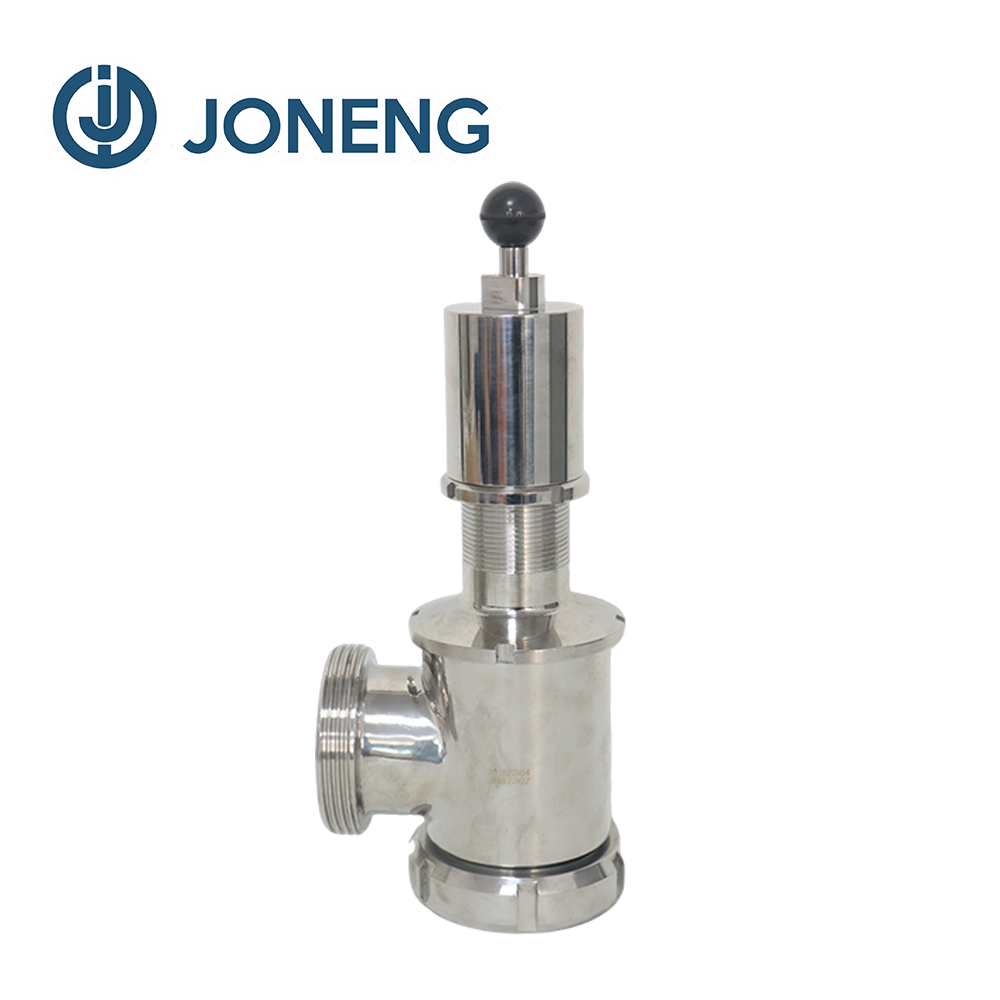
In fluid piping systems, pressure management is a crucial aspect of ensuring the reliable operation of the entire system. Safety valves and pressure reducing valves may appear similar, as both are valve components designed to manage pressure. Many novice users easily confuse the two, even using them interchangeably. However, they actually address two completely different problems: one serves the daily operation of equipment, while the other handles the risk of sudden failures.
The difference between safety valves and pressure reducing valves

Both screw pumps (single screw) and rotary lobe pumps are positive displacement pumps, primarily used for conveying high-viscosity pastes and shear-sensitive materials. They are self-priming, and their flow-through components can be made of 316L stainless steel, while seals are made of FDA-compliant EPDM or PTFE. Although their applications overlap, their structures differ, resulting in significant differences in conveying performance, maintenance methods, and material compatibility.
Screw pump vs. cam rotor pump