
When purchasing sanitary-grade sight glasses accessories, what are the key considerations regarding glass material and structural selection?
author: 003
2026-08-10

When purchasing sanitary-grade sight glasses accessories, what are the key considerations regarding glass material and structural selection?
Glass material selection: differentiated by temperature, pressure, and operating condition level.
Sanitary sight glass is a core component for pressure bearing, light transmission, and corrosion resistance. Different glass materials exhibit vastly different temperature, pressure, and sterilization resistance properties, making them incompatible and requiring strict matching to workshop conditions. Currently, the cleanroom industry primarily uses three materials: tempered glass, borosilicate glass, and quartz glass.
1. Ordinary Tempered Glass: High cost-effectiveness, suitable for normal temperature, low pressure, and general food processing conditions. Suitable for mild environments such as beverage filling, room temperature ingredient preparation, and pure water transportation. Pressure resistance is generally ≤0.6MPa, with small temperature difference resistance. It cannot withstand repeated high-temperature steam sterilization and is strictly prohibited for use in pharmaceutical GMP aseptic workshops. Long-term SIP sterilization easily leads to whitening, cracking, and decreased light transmittance.
2. High Borosilicate Tempered Glass: A universally preferred choice for cleanrooms and currently the mainstream material in the food and pharmaceutical industries. It possesses high temperature resistance, resistance to rapid heating and cooling, high light transmittance, and corrosion resistance. It can withstand repeated sterilization at 121℃, has stable pressure resistance, and is suitable for most CIP online cleaning, high-temperature batching, and fermentation tank conditions. It meets food-grade and pharmaceutical-grade cleanliness standards and offers the best overall cost-effectiveness.
3. Quartz Glass: For high-end extreme conditions. It is resistant to high temperatures, strong acids and alkalis, has ultra-high light transmittance, and stable performance. It is suitable for ultra-high temperature, highly corrosive, and high-cleanliness biological agent environments. However, the cost is relatively high. Conventional food and general pharmaceutical workshops do not require excessive selection; it is suitable for the production of special pharmaceutical solutions and corrosive materials.
1. Ordinary Tempered Glass: High cost-effectiveness, suitable for normal temperature, low pressure, and general food processing conditions. Suitable for mild environments such as beverage filling, room temperature ingredient preparation, and pure water transportation. Pressure resistance is generally ≤0.6MPa, with small temperature difference resistance. It cannot withstand repeated high-temperature steam sterilization and is strictly prohibited for use in pharmaceutical GMP aseptic workshops. Long-term SIP sterilization easily leads to whitening, cracking, and decreased light transmittance.
2. High Borosilicate Tempered Glass: A universally preferred choice for cleanrooms and currently the mainstream material in the food and pharmaceutical industries. It possesses high temperature resistance, resistance to rapid heating and cooling, high light transmittance, and corrosion resistance. It can withstand repeated sterilization at 121℃, has stable pressure resistance, and is suitable for most CIP online cleaning, high-temperature batching, and fermentation tank conditions. It meets food-grade and pharmaceutical-grade cleanliness standards and offers the best overall cost-effectiveness.
3. Quartz Glass: For high-end extreme conditions. It is resistant to high temperatures, strong acids and alkalis, has ultra-high light transmittance, and stable performance. It is suitable for ultra-high temperature, highly corrosive, and high-cleanliness biological agent environments. However, the cost is relatively high. Conventional food and general pharmaceutical workshops do not require excessive selection; it is suitable for the production of special pharmaceutical solutions and corrosive materials.
Valve body material selection: Choosing between 304 and 316L for different operating conditions
Sight glasses are not just about the glass itself; the stainless steel material of the body directly determines corrosion resistance and service life, and is fundamental to aseptic compliance.
304 stainless steel sight glasses can be used in general food and daily chemical workshops to meet basic rust prevention and cleanliness requirements. However, 316L stainless steel is mandatory for pharmaceutical GMP workshops, aseptic preparations, and corrosive material handling. 316L contains molybdenum, making it resistant to acids, alkalis, and chloride ion corrosion, with no metal leaching. It is suitable for high-frequency, high-temperature sterilization, preventing rust and pitting contamination of materials, making it a mandatory selection standard for high-level aseptic workshops. Simultaneously, the valve body surface roughness must be ≤0.8μm, with mirror polishing and no dead corners, meeting clean piping requirements.
304 stainless steel sight glasses can be used in general food and daily chemical workshops to meet basic rust prevention and cleanliness requirements. However, 316L stainless steel is mandatory for pharmaceutical GMP workshops, aseptic preparations, and corrosive material handling. 316L contains molybdenum, making it resistant to acids, alkalis, and chloride ion corrosion, with no metal leaching. It is suitable for high-frequency, high-temperature sterilization, preventing rust and pitting contamination of materials, making it a mandatory selection standard for high-level aseptic workshops. Simultaneously, the valve body surface roughness must be ≤0.8μm, with mirror polishing and no dead corners, meeting clean piping requirements.
Sealing material selection: the key to preventing leakage and bacterial growth
Leaks and bacterial growth in sight glasses are 90% caused by improper selection of sealing gaskets. Ordinary rubber gaskets are strictly prohibited for sanitary sight glasses; compliant and clean sealing components must be used.
For routine applications involving pure water and beverages at room temperature, food-grade silicone or EPDM gaskets are recommended. For high-temperature sterilization, oily media, and acid/alkali solutions, PTFE or fluororubber gaskets are preferred. These gaskets are heat-resistant, aging-resistant, do not leach, and do not stick, allowing for repeated cleaning and sterilization, and preventing residue and bacterial growth in gaps.
For routine applications involving pure water and beverages at room temperature, food-grade silicone or EPDM gaskets are recommended. For high-temperature sterilization, oily media, and acid/alkali solutions, PTFE or fluororubber gaskets are preferred. These gaskets are heat-resistant, aging-resistant, do not leach, and do not stick, allowing for repeated cleaning and sterilization, and preventing residue and bacterial growth in gaps.
Structural design is carefully selected to avoid potential hazards such as blind spots, cracks, and leaks.
The structural design of sight glasses in aseptic workshops directly affects cleaning effectiveness and operational safety. There are three key considerations when selecting a model:
1. Prioritize a quick-installation, blind-spot-free structure: Quick-installation clamp-type sight glasses are the preferred choice for clean piping. They are forged as a single piece, with no seams or external screws, and have a smooth surface that prevents material accumulation and scale buildup. They are compatible with CIP fully automatic cleaning systems, completely eliminating unsanitary areas. Flange-type sight glasses have more gaps and are only suitable for industrial applications; they are not recommended for aseptic cleanrooms.
2. Choose with/without scraper as needed: For ordinary clean water and clear materials, a standard flat sight glass is sufficient. For viscous materials, dairy products, sauces, and pharmaceutical solutions that easily adhere to the walls, a sanitary scraper sight glass is recommended. This allows for easy cleaning of the inner glass wall, ensuring a clear view and preventing material residue and spoilage.
3. Match the pressure-bearing structure to the piping pressure: Standard lightweight sight glasses are suitable for low-pressure, ambient-temperature piping. High-temperature fermentation and high-pressure reaction tanks must use a thickened pressure-bearing structure to prevent glass breakage due to temperature and pressure fluctuations, thus avoiding safety accidents.
1. Prioritize a quick-installation, blind-spot-free structure: Quick-installation clamp-type sight glasses are the preferred choice for clean piping. They are forged as a single piece, with no seams or external screws, and have a smooth surface that prevents material accumulation and scale buildup. They are compatible with CIP fully automatic cleaning systems, completely eliminating unsanitary areas. Flange-type sight glasses have more gaps and are only suitable for industrial applications; they are not recommended for aseptic cleanrooms.
2. Choose with/without scraper as needed: For ordinary clean water and clear materials, a standard flat sight glass is sufficient. For viscous materials, dairy products, sauces, and pharmaceutical solutions that easily adhere to the walls, a sanitary scraper sight glass is recommended. This allows for easy cleaning of the inner glass wall, ensuring a clear view and preventing material residue and spoilage.
3. Match the pressure-bearing structure to the piping pressure: Standard lightweight sight glasses are suitable for low-pressure, ambient-temperature piping. High-temperature fermentation and high-pressure reaction tanks must use a thickened pressure-bearing structure to prevent glass breakage due to temperature and pressure fluctuations, thus avoiding safety accidents.
Key points to avoid pitfalls in procurement: Common problems with non-standard sight glasses
Many low-priced, non-standard sight glasses suffer from problems such as substandard glass thickness, rough polishing, inferior gaskets, and adulterated materials. While they may seem to save costs in the short term, they are highly prone to problems in the long run, including glass breakage, leaks at joints, bacterial accumulation in hard-to-reach areas, and substandard cleanliness, leading to production line downtime and material waste. When purchasing, it is essential to verify material reports and compliance certifications, and to reject non-standard refurbished parts.
Summarize
The key considerations for selecting a sanitary sight glass are: glass suitability for the operating conditions, material compliance with cleanliness standards, a structure free of unsanitary corners, and a seal suitable for sterilization. For general food processing, high borosilicate glass + 304 stainless steel is preferred; for aseptic pharmaceutical applications, high borosilicate/quartz glass + 316L stainless steel + food-grade seals are essential. Proper selection ensures clear observation, equipment safety, and the long-term maintenance of a sterile and clean workshop environment, reducing maintenance failures and production costs.
How to avoid leakage and scale buildup during the installation of sanitary pipe fittings for pure water equipment?
What is the working principle of an emulsifying pump?
Related Article

Surface treatments fall into three categories: chemical (addressing corrosion resistance), mechanical (addressing appearance), and electrochemical (addressing both). When selecting a method, first consider three factors: the required level of corrosion resistance, the strictness of cleanliness standards, and the budget.
Differences in Surface Treatment Processes for Pipe Fittings and Selection Guidelines

Stainless steel relies on an extremely thin "chromium oxide film" (passivation layer) on its surface to prevent rust; while corrosion-resistant, it is not immune to rusting forever. Rust will occur if this film is damaged, contaminated by iron particles, or exposed to overly harsh environmental conditions.
Why do stainless steel valves and pipe fittings still rust? Isn't stainless steel supposed to be "rust-proof"?
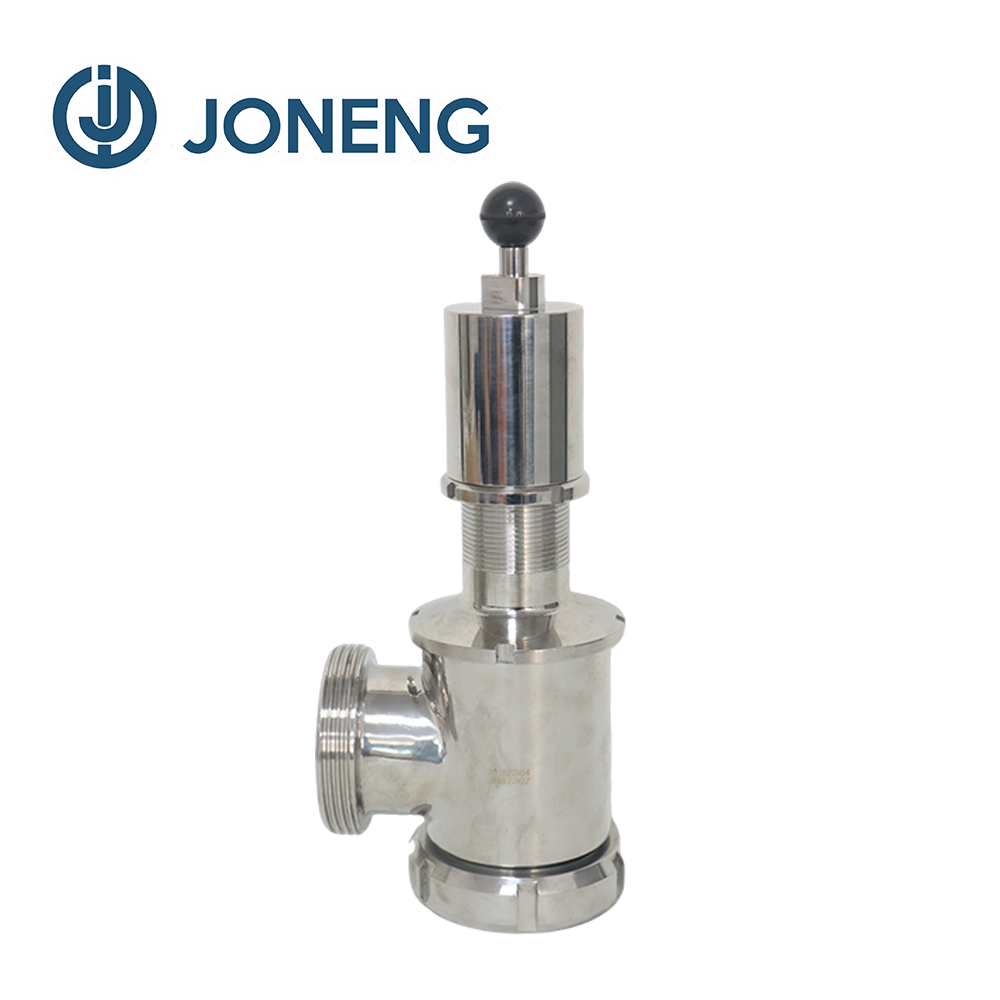
In fluid piping systems, pressure management is a crucial aspect of ensuring the reliable operation of the entire system. Safety valves and pressure reducing valves may appear similar, as both are valve components designed to manage pressure. Many novice users easily confuse the two, even using them interchangeably. However, they actually address two completely different problems: one serves the daily operation of equipment, while the other handles the risk of sudden failures.
The difference between safety valves and pressure reducing valves

Both screw pumps (single screw) and rotary lobe pumps are positive displacement pumps, primarily used for conveying high-viscosity pastes and shear-sensitive materials. They are self-priming, and their flow-through components can be made of 316L stainless steel, while seals are made of FDA-compliant EPDM or PTFE. Although their applications overlap, their structures differ, resulting in significant differences in conveying performance, maintenance methods, and material compatibility.
Screw pump vs. cam rotor pump