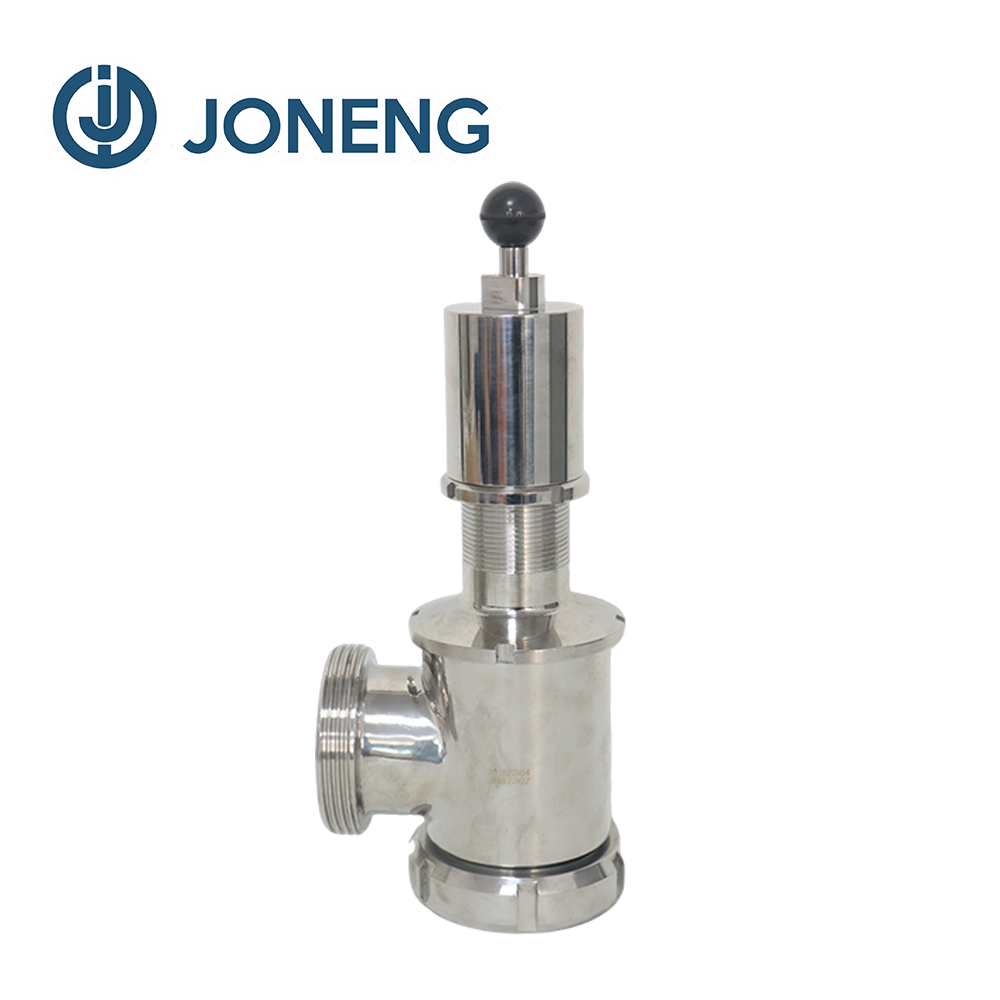
How do butterfly valves work?
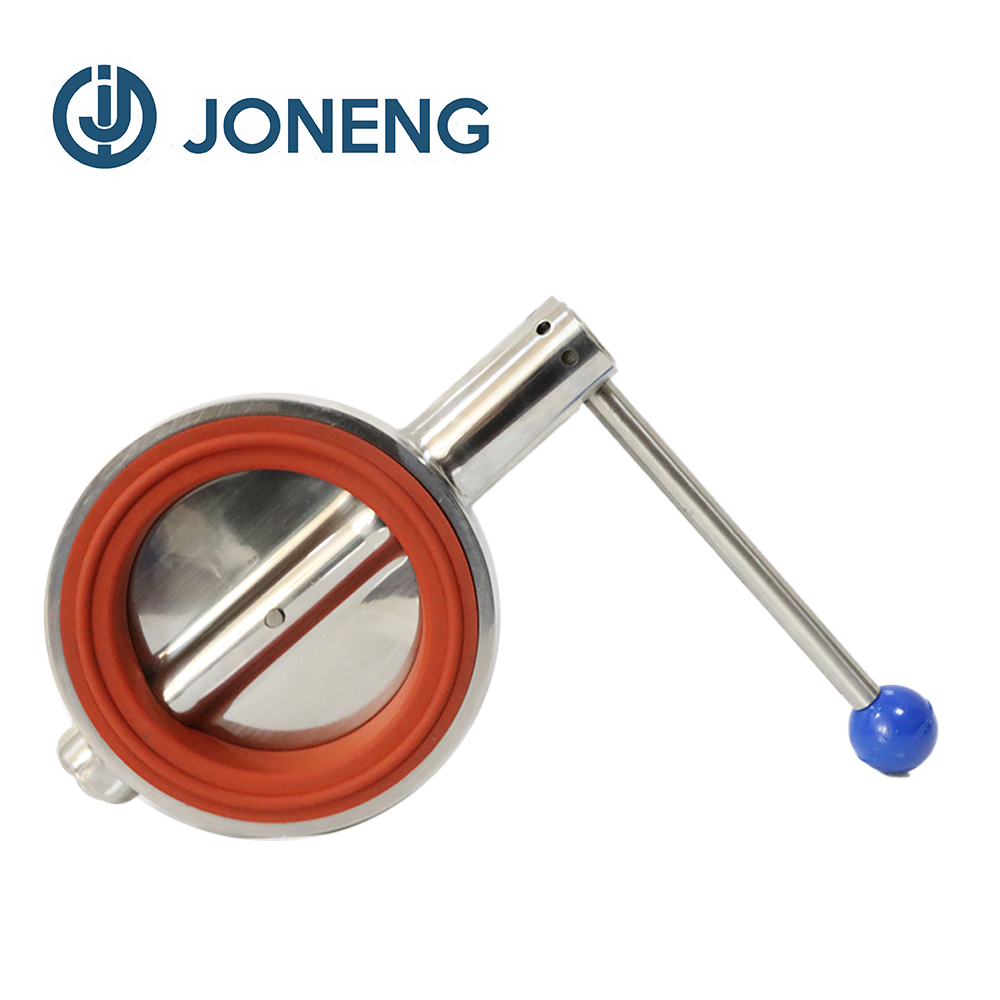
How do butterfly valves work?
Basic structure and operating principle
A butterfly valve mainly consists of four core parts: the valve body, the valve plate (butterfly plate), the valve stem, and the valve seat. The valve body is a short cylindrical shell with an internal flow channel consisting of a circular through-hole. The valve plate is a circular metal disc with a diameter matching the inner diameter of the pipe, fixed to the center or off-center of the valve body by a valve stem perpendicular to the flow channel axis. The valve seat is an annular sealing ring installed on the inner wall of the valve body or the outer edge of the valve plate, commonly made of elastic materials such as rubber or polytetrafluoroethylene (PTFE), but can also be made of hard alloy through metal welding.
Its operation is very intuitive: the valve stem drives the valve plate to rotate around its own axis, with a rotation angle ranging from 0° to 90°. When the valve plate plane is parallel to the pipe axis (at the 0° position), the thickness direction of the valve plate faces the fluid, and the flow channel is fully open, allowing the fluid to pass through almost unimpeded. When the valve plate rotates to the 90° position, the valve plate plane is perpendicular to the pipe axis, the outer edge of the valve plate is tightly fitted against the valve seat, the flow channel is completely cut off, and the valve is closed. At any angle between 0° and 90°, the valve plate exists in the flow channel at a certain inclination angle, achieving flow regulation by changing the flow area.
From a fluid dynamics perspective, when a butterfly valve is fully open, because the valve plate remains horizontal in the flow channel, it generates some resistance and disturbance to the fluid. Therefore, its flow resistance coefficient is larger than that of gate valves and ball valves, but significantly smaller than that of globe valves. Its flow characteristics fall between quick-opening and equal-percentage characteristics; through a specially designed valve plate profile, its regulation performance can be optimized.
Operation method and control
Butterfly valves are extremely easy to operate; simply rotating the valve stem 90° moves it from fully closed to fully open. Therefore, the actuation methods are very flexible:
Manual Operation: Operated via a handle or worm gearbox. Small-diameter butterfly valves are directly operated with a handle, and those with a positioning gear can lock in the open, closed, or intermediate positions. Large-diameter or high-torque butterfly valves are equipped with a worm gear reducer, utilizing the self-locking property of the worm gear to stabilize the valve in any position and reduce operating force.
Electric Actuator: Driven by a motor, the valve stem rotates through a gear set for speed reduction. It can accept 4-20mA signals for precise adjustment. It features internal limit switches and torque protection, and convenient remote control.
Pneumatic Actuator: Driven by compressed air, the piston or fork mechanism rotates the output shaft from 0-90°. Double-acting actuators rely on pneumatic switches, while single-acting actuators rely on spring reset. They are commonly used in emergency shut-off or frequent opening/closing applications.
Typical applications and advantages and disadvantages
Butterfly valves are particularly suitable for large and medium diameter, low-pressure differential water systems, HVAC, fire protection, ship ballast, water supply and drainage, and power plant circulating water pipelines. They are also widely used for conveying powders and slurries. Their significant advantages include: small size and light weight, saving approximately 60% or more of installation space and material costs compared to gate valves of the same diameter; rapid opening and closing with low operating torque; simple structure, convenient maintenance, and field-replaceable valve seats. Limitations include: flow resistance still exists when fully open, making them unsuitable for pipelines requiring pigging; soft-seal structures are not resistant to high temperatures, while metal hard seals require extremely high manufacturing precision; and under certain operating conditions, their regulating accuracy is not as high as dedicated control valves.
In summary, the butterfly valve, through a valve plate rotating around an axis, achieves flow control and regulation with a simple 90-degree angle stroke, cleverly solving the challenges of wear, leakage, and high temperature and pressure, making this classic valve play a crucial role in fluid control in various industrial processes.
What is the working principle of an emulsifying pump?
The function of butterfly valve
Related Article