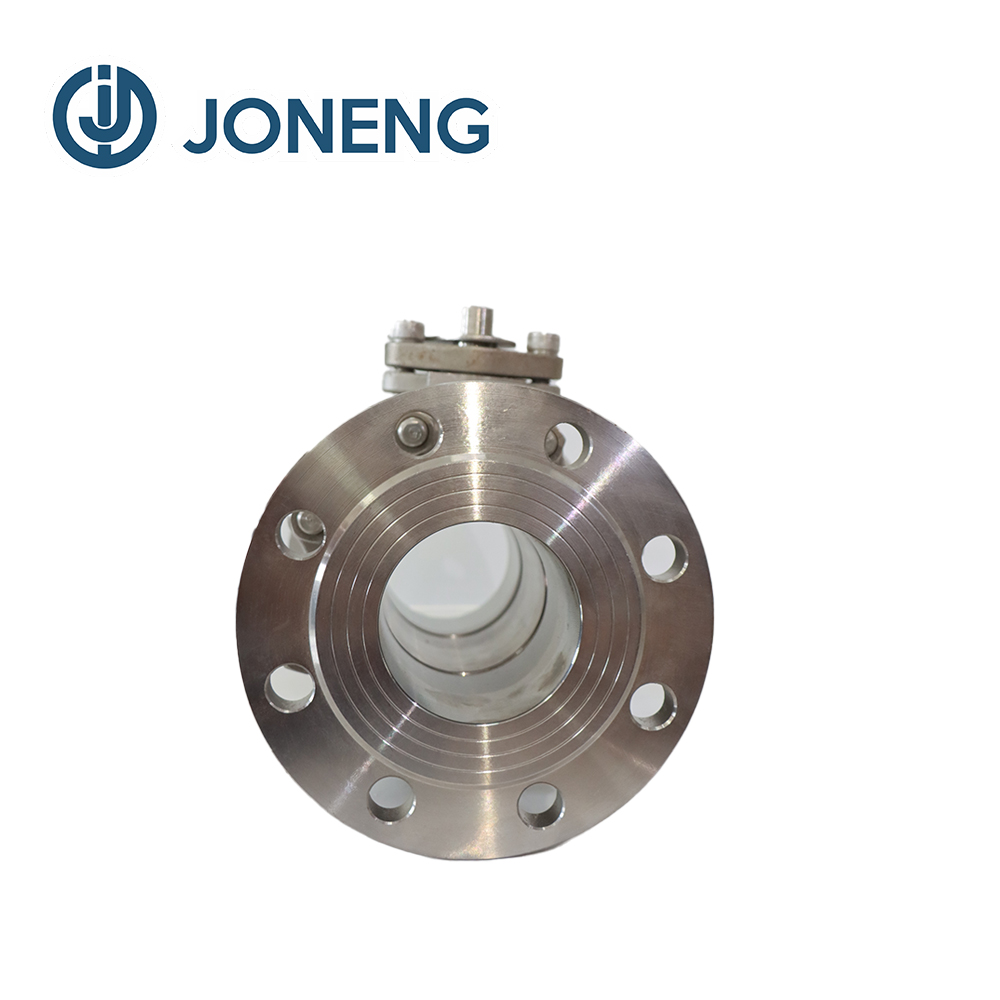
Diaphragm valve usage location
author: 003
2026-07-30

Diaphragm valve usage location
Working Principle:
When the valve stem is operated, the end of the stem drives a valve disc (or valve core) to move downwards or upwards.
Close: The valve disc presses downwards against the diaphragm, causing it to adhere tightly to the weir ridge (or straight-through bottom) of the valve body flow channel, thus cutting off the fluid flow.
Open: The valve disc is lifted upwards, and the diaphragm, under its own elasticity and fluid pressure, returns to its shape, opening the flow channel.
Because of the diaphragm's isolating effect, the fluid within the valve body only contacts the diaphragm and valve body, completely avoiding contact with external moving parts such as the valve stem and valve cover. This brings two fundamental advantages: zero media leakage (external) and no media contamination (internal).
Close: The valve disc presses downwards against the diaphragm, causing it to adhere tightly to the weir ridge (or straight-through bottom) of the valve body flow channel, thus cutting off the fluid flow.
Open: The valve disc is lifted upwards, and the diaphragm, under its own elasticity and fluid pressure, returns to its shape, opening the flow channel.
Because of the diaphragm's isolating effect, the fluid within the valve body only contacts the diaphragm and valve body, completely avoiding contact with external moving parts such as the valve stem and valve cover. This brings two fundamental advantages: zero media leakage (external) and no media contamination (internal).
Applications of Diaphragm Valves
Diaphragm valves, due to their cleanliness, corrosion resistance, and leak-free characteristics, are primarily used in critical locations where the purity and safety of the media are paramount.
Diaphragm valves, due to their cleanliness, corrosion resistance, and leak-free characteristics, are primarily used in critical locations where the purity and safety of the media are paramount.
Their core applications fall into the following categories:
Food and Pharmaceutical Industries:This is the most typical application scenario for diaphragm valves. Because their structure completely isolates the media from the valve's mechanical components, preventing fluid contamination, they are widely used in pipelines transporting pharmaceuticals, ultrapure water, vaccines, blood products, beverages, dairy products, and other substances requiring high cleanliness. Especially in biopharmaceutical reaction vessels, specially designed "sterile diaphragm valves" can be directly installed to thoroughly drain residual liquid from the vessel, eliminating sanitary dead zones.
Food and Pharmaceutical Industries:This is the most typical application scenario for diaphragm valves. Because their structure completely isolates the media from the valve's mechanical components, preventing fluid contamination, they are widely used in pipelines transporting pharmaceuticals, ultrapure water, vaccines, blood products, beverages, dairy products, and other substances requiring high cleanliness. Especially in biopharmaceutical reaction vessels, specially designed "sterile diaphragm valves" can be directly installed to thoroughly drain residual liquid from the vessel, eliminating sanitary dead zones.
Chemical and Corrosive Media Piping: Because the valve body and diaphragm can be made from various corrosion-resistant materials (such as fluoropolymer lining and rubber lining), they are ideal for handling strong acids, strong alkalis, corrosive liquids, toxic media, or slurries containing suspended particles. In these applications, they solve the problems of conventional valves being prone to corrosion and leakage.
For systems containing particles or viscous fluids: For materials that easily clog valves, such as mud, fibrous adhesives, viscous fluids, and sedimentary media, the streamlined channels of the diaphragm valve and the "soft squeeze" closing method of the diaphragm can achieve good shut-off effect and are not easy to get stuck.
Installation Location and Precautions
While widely used, there are specific limitations on installation location to ensure reliable operation:
Pipe Diameter Limitation:Due to the diaphragm manufacturing process, it is generally not used in large-diameter pipelines and is typically applied to pipelines with a nominal diameter ≤200mm.
Operating Condition Limitations:Primarily suitable for low-pressure (generally not exceeding 1.6MPa) and medium-to-low-temperature (generally not exceeding 180℃) applications. Not suitable for high-pressure, high-temperature, organic solvent, or strong oxidizing media environments.
Installation Direction:** Pneumatic diaphragm valves are generally recommended for vertical installation. If the valve is heavy or subject to vibration, it requires support for fixation. To facilitate maintenance without interrupting production, bypass lines should be installed on critical pipelines.
Pipe Diameter Limitation:Due to the diaphragm manufacturing process, it is generally not used in large-diameter pipelines and is typically applied to pipelines with a nominal diameter ≤200mm.
Operating Condition Limitations:Primarily suitable for low-pressure (generally not exceeding 1.6MPa) and medium-to-low-temperature (generally not exceeding 180℃) applications. Not suitable for high-pressure, high-temperature, organic solvent, or strong oxidizing media environments.
Installation Direction:** Pneumatic diaphragm valves are generally recommended for vertical installation. If the valve is heavy or subject to vibration, it requires support for fixation. To facilitate maintenance without interrupting production, bypass lines should be installed on critical pipelines.
The function of butterfly valve
What is the working principle of a solenoid valve?
Related Article

Stainless steel relies on an extremely thin "chromium oxide film" (passivation layer) on its surface to prevent rust; while corrosion-resistant, it is not immune to rusting forever. Rust will occur if this film is damaged, contaminated by iron particles, or exposed to overly harsh environmental conditions.
Why do stainless steel valves and pipe fittings still rust? Isn't stainless steel supposed to be "rust-proof"?
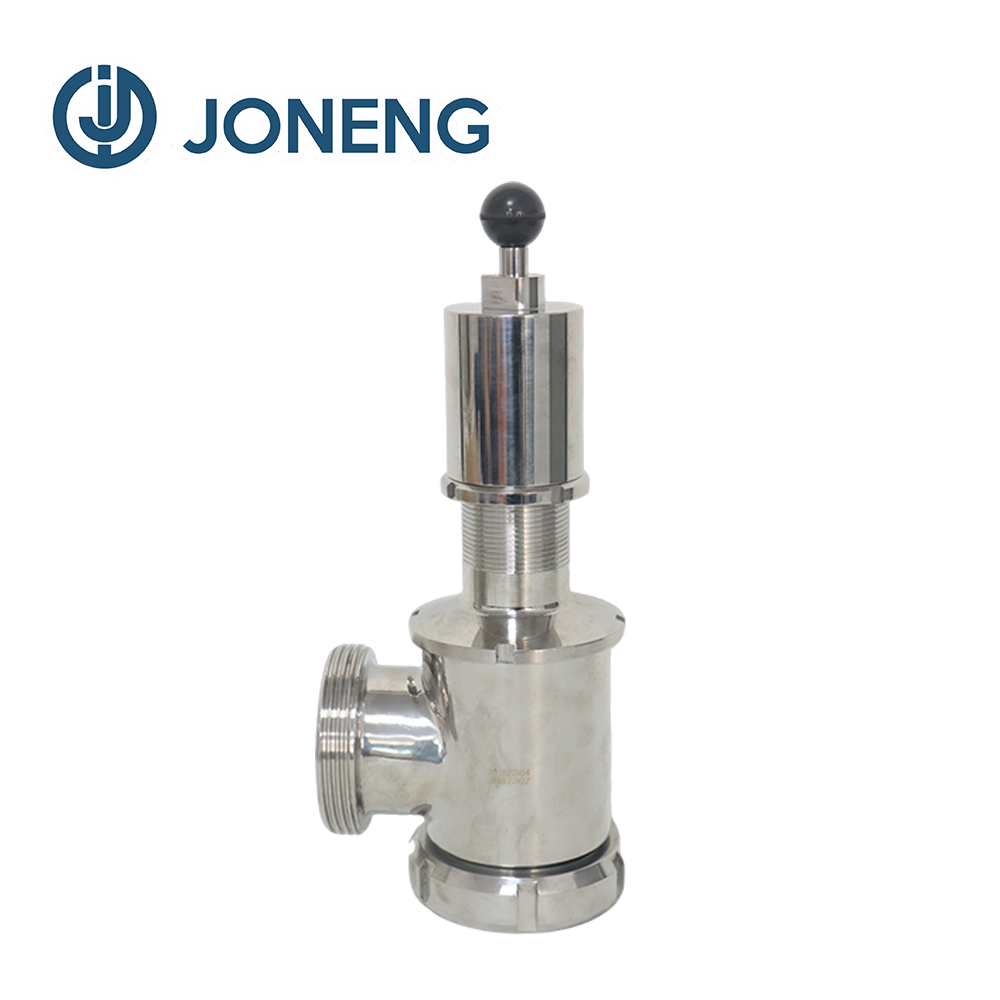
In fluid piping systems, pressure management is a crucial aspect of ensuring the reliable operation of the entire system. Safety valves and pressure reducing valves may appear similar, as both are valve components designed to manage pressure. Many novice users easily confuse the two, even using them interchangeably. However, they actually address two completely different problems: one serves the daily operation of equipment, while the other handles the risk of sudden failures.
The difference between safety valves and pressure reducing valves

Both screw pumps (single screw) and rotary lobe pumps are positive displacement pumps, primarily used for conveying high-viscosity pastes and shear-sensitive materials. They are self-priming, and their flow-through components can be made of 316L stainless steel, while seals are made of FDA-compliant EPDM or PTFE. Although their applications overlap, their structures differ, resulting in significant differences in conveying performance, maintenance methods, and material compatibility.
Screw pump vs. cam rotor pump