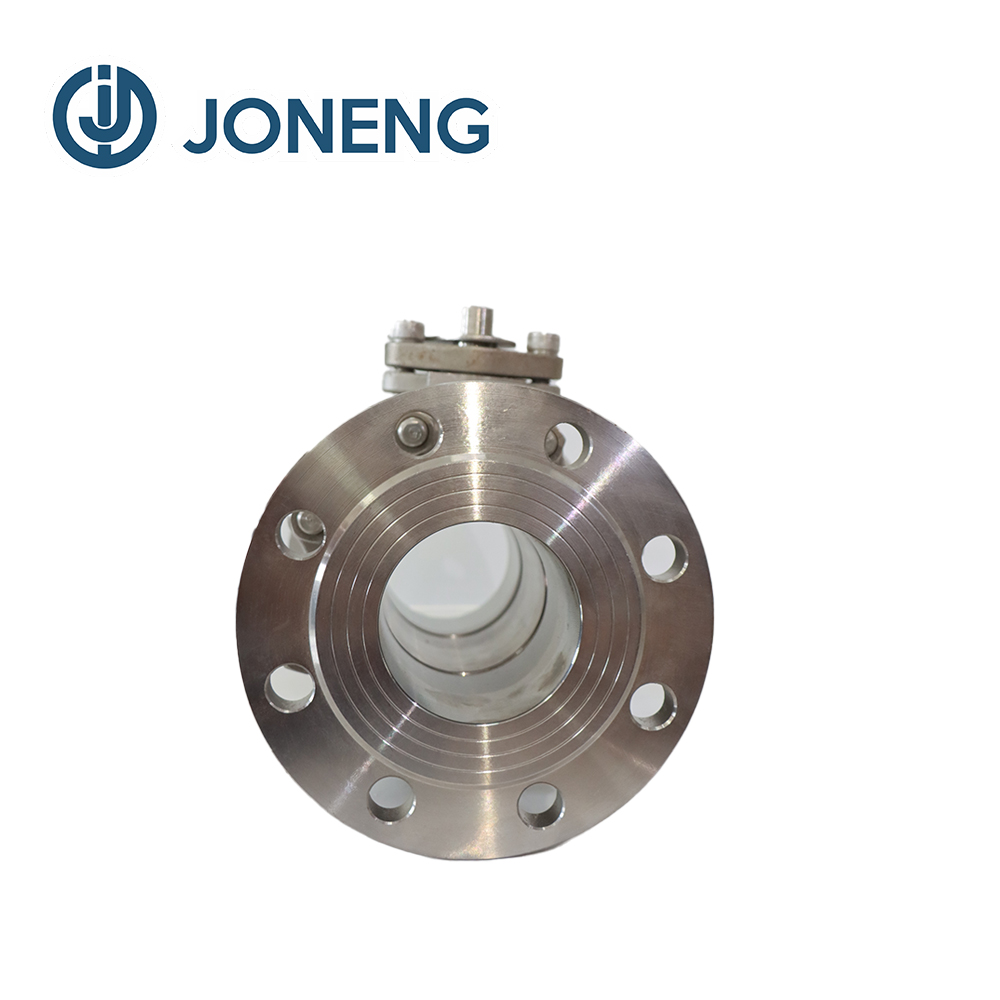
What is the working principle of a solenoid valve?
author: 003
2026-07-30

What is the working principle of a solenoid valve?
I. Direct-acting Solenoid Valve: Directly driven, usable under zero differential pressure
This is the simplest type in terms of principle. When the coil is energized, it generates electromagnetic force, directly attracting the moving iron core (i.e., the valve core), thus opening the valve. When the power is off, the electromagnetic force disappears, and the valve core returns to its original position under the force of the spring, closing the valve.
Core features: Simple structure, reliable operation. Most importantly, it can operate without relying on fluid pressure, and can start normally under vacuum, negative pressure, or zero differential pressure conditions.
Common applications: Due to the limited electromagnetic force, this type of valve is usually small in diameter (generally not exceeding 25mm), suitable for applications with low flow rates and high response speed requirements.
This is the simplest type in terms of principle. When the coil is energized, it generates electromagnetic force, directly attracting the moving iron core (i.e., the valve core), thus opening the valve. When the power is off, the electromagnetic force disappears, and the valve core returns to its original position under the force of the spring, closing the valve.
Core features: Simple structure, reliable operation. Most importantly, it can operate without relying on fluid pressure, and can start normally under vacuum, negative pressure, or zero differential pressure conditions.
Common applications: Due to the limited electromagnetic force, this type of valve is usually small in diameter (generally not exceeding 25mm), suitable for applications with low flow rates and high response speed requirements.
II. Pilot-Operated Solenoid Valve: Leveraging Pressure, Suitable for High Pressure and High Flow
This type of valve does not operate entirely by direct electromagnetic force. Instead, it cleverly utilizes the fluid's own pressure difference to amplify the effect of the electromagnetic force.
Operating Process: When energized, the electromagnetic force first opens a small pilot orifice, causing a rapid decrease in pressure above the main valve core. At this time, the pressure below the main valve core is greater than above, and the resulting pressure difference "pushes" the main valve core upward, thus opening the main valve port. When de-energized, the pilot orifice closes, the pressure above the main valve core rises again, and the valve closes under the combined action of pressure and spring force.
Key Features: Small size, low power consumption, but capable of controlling large-diameter, high-pressure fluids. Its disadvantage is that it requires a certain fluid pressure difference to operate properly; otherwise, it cannot open correctly.
III. Step-by-Step Direct-Acting Solenoid Valve: A Combination of Two Modes
This can be seen as a fusion of the first two solutions, combining the advantages of both.
Operating Process: When there is no pressure difference between the inlet and outlet, it operates like a direct-acting valve, directly lifting the main valve and pilot valve together using electromagnetic force to open the valve. When the pressure difference between the inlet and outlet is large enough, it switches to a pilot-operated mode, using the pressure difference to assist in opening the main valve.
Core Features: It can operate under zero pressure difference and adapt to high-pressure environments, making it highly versatile. However, its power consumption is relatively high, and horizontal installation is usually required.
This can be seen as a fusion of the first two solutions, combining the advantages of both.
Operating Process: When there is no pressure difference between the inlet and outlet, it operates like a direct-acting valve, directly lifting the main valve and pilot valve together using electromagnetic force to open the valve. When the pressure difference between the inlet and outlet is large enough, it switches to a pilot-operated mode, using the pressure difference to assist in opening the main valve.
Core Features: It can operate under zero pressure difference and adapt to high-pressure environments, making it highly versatile. However, its power consumption is relatively high, and horizontal installation is usually required.
How to quickly distinguish between these three types?
If you need to select a solenoid valve based on different scenarios, you can make a simple judgment like this:
If you need to select a solenoid valve based on different scenarios, you can make a simple judgment like this:
Direct-acting: Available with zero differential pressure, but only suitable for small diameters.
Suitable for medical equipment: Precision control of ventilators, infusion pumps, and traditional Chinese medicine solutions.
Water treatment and drinking water: Domestic/industrial automatic water supply, agricultural irrigation, drinking water systems (e.g., NSF-certified specialized valves).
Food and beverage: Sanitary fluid metering on production lines.
General industry: Start-stop control of pneumatic tools and small equipment.
Pilot-operated: Suitable for large diameters and high pressures, but differential pressure is required.
Suitable for petrochemical and energy: High-pressure pipelines in oil refineries and chemical plants, natural gas transmission, and power plant boiler feedwater systems.
Infrastructure: Water circulation control in main urban water supply pipelines and HVAC systems.
Hydraulic systems: Industrial machinery requiring control of large flow rates of hydraulic oil.
Step-by-step direct-acting: Performance is between the two, with greater adaptability, but power consumption and installation requirements need attention.
Suitable for complex industrial pipelines: Applications with large pressure fluctuations in metallurgical, petrochemical, and power systems.
Building Automation: Pressure reducing valves required for stable operation under varying pressure conditions in high-rise building water supply systems.
Stringent Processes: Pharmaceutical aseptic filling lines (meeting CIP/SIP cleaning requirements), crude oil pipelines, etc.
Suitable for medical equipment: Precision control of ventilators, infusion pumps, and traditional Chinese medicine solutions.
Water treatment and drinking water: Domestic/industrial automatic water supply, agricultural irrigation, drinking water systems (e.g., NSF-certified specialized valves).
Food and beverage: Sanitary fluid metering on production lines.
General industry: Start-stop control of pneumatic tools and small equipment.
Pilot-operated: Suitable for large diameters and high pressures, but differential pressure is required.
Suitable for petrochemical and energy: High-pressure pipelines in oil refineries and chemical plants, natural gas transmission, and power plant boiler feedwater systems.
Infrastructure: Water circulation control in main urban water supply pipelines and HVAC systems.
Hydraulic systems: Industrial machinery requiring control of large flow rates of hydraulic oil.
Step-by-step direct-acting: Performance is between the two, with greater adaptability, but power consumption and installation requirements need attention.
Suitable for complex industrial pipelines: Applications with large pressure fluctuations in metallurgical, petrochemical, and power systems.
Building Automation: Pressure reducing valves required for stable operation under varying pressure conditions in high-rise building water supply systems.
Stringent Processes: Pharmaceutical aseptic filling lines (meeting CIP/SIP cleaning requirements), crude oil pipelines, etc.
Diaphragm valve usage location
How to choose the right stainless steel elbow for high-pressure systems?
Related Article

Stainless steel relies on an extremely thin "chromium oxide film" (passivation layer) on its surface to prevent rust; while corrosion-resistant, it is not immune to rusting forever. Rust will occur if this film is damaged, contaminated by iron particles, or exposed to overly harsh environmental conditions.
Why do stainless steel valves and pipe fittings still rust? Isn't stainless steel supposed to be "rust-proof"?
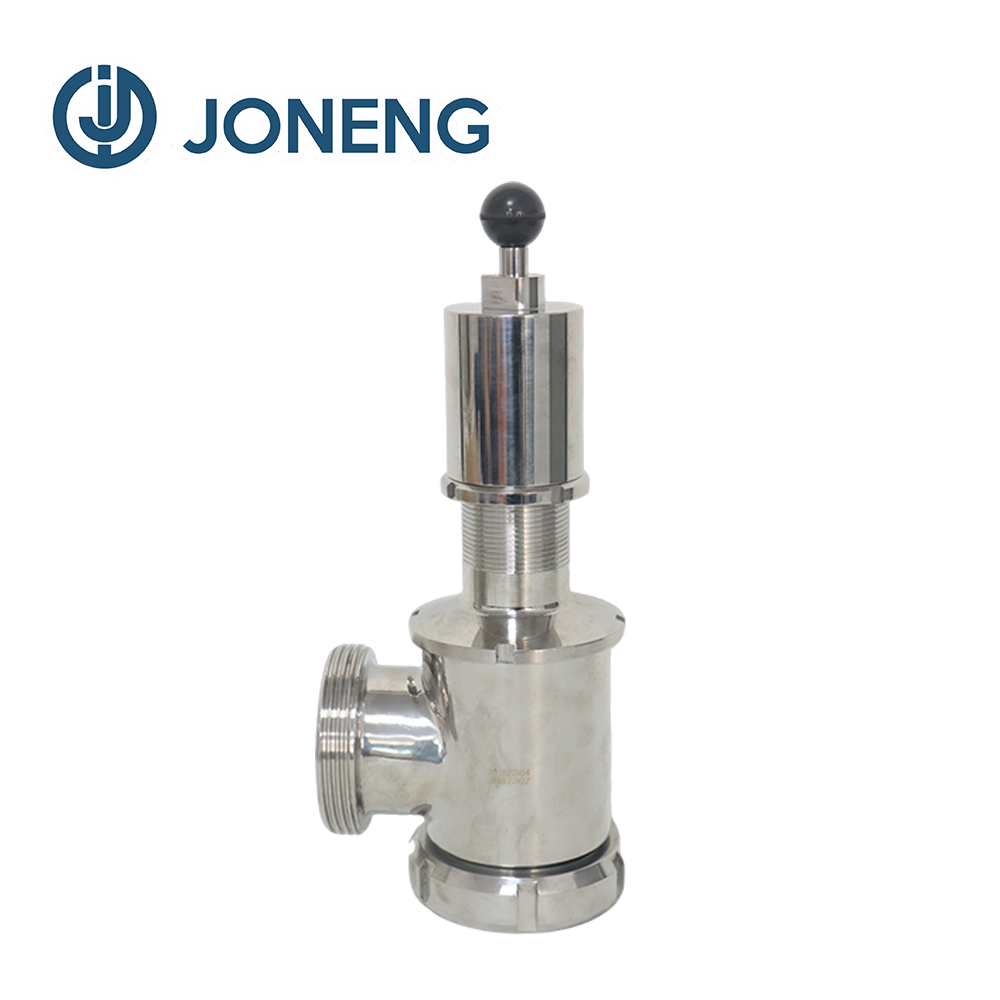
In fluid piping systems, pressure management is a crucial aspect of ensuring the reliable operation of the entire system. Safety valves and pressure reducing valves may appear similar, as both are valve components designed to manage pressure. Many novice users easily confuse the two, even using them interchangeably. However, they actually address two completely different problems: one serves the daily operation of equipment, while the other handles the risk of sudden failures.
The difference between safety valves and pressure reducing valves

Both screw pumps (single screw) and rotary lobe pumps are positive displacement pumps, primarily used for conveying high-viscosity pastes and shear-sensitive materials. They are self-priming, and their flow-through components can be made of 316L stainless steel, while seals are made of FDA-compliant EPDM or PTFE. Although their applications overlap, their structures differ, resulting in significant differences in conveying performance, maintenance methods, and material compatibility.
Screw pump vs. cam rotor pump