
Should the pressure rating of a sanitary plug valve be selected based on pipeline pressure or media conditions?
author: 003
2026-07-08
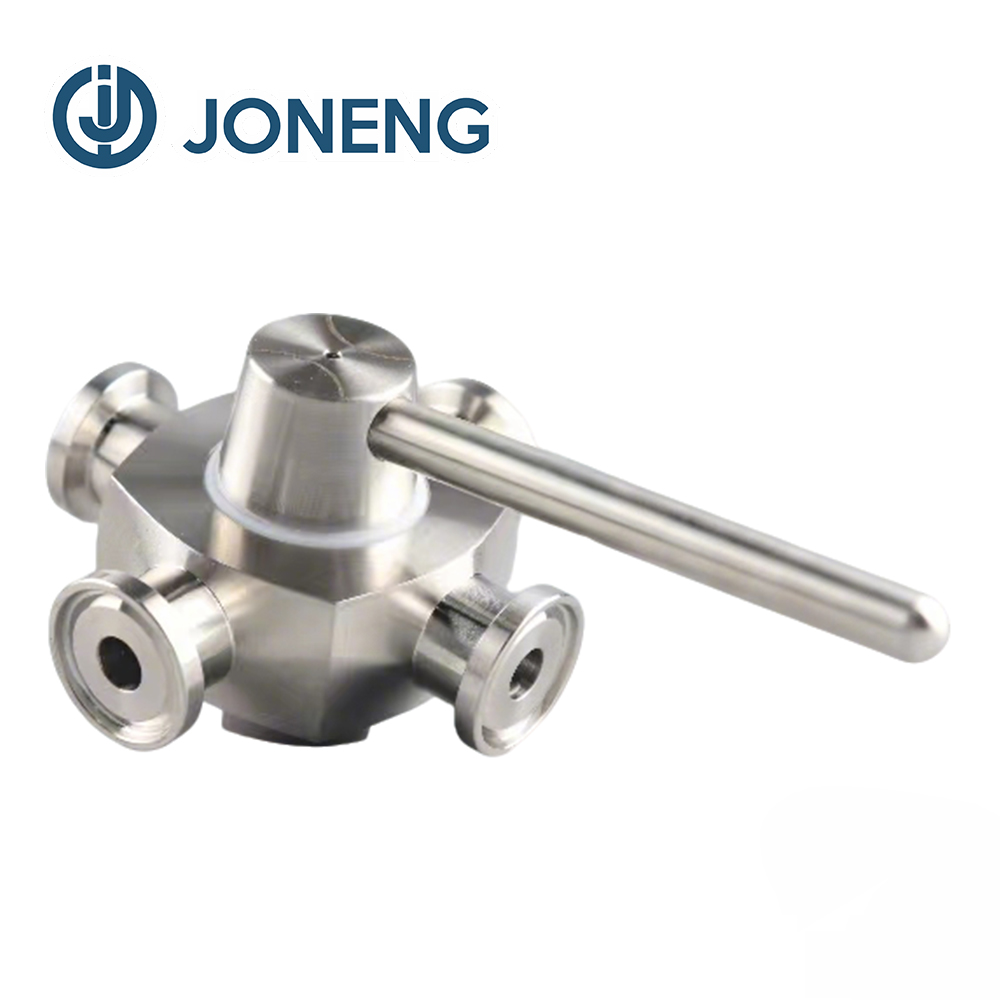
Should the pressure rating of a sanitary plug valve be selected based on pipeline pressure or media conditions?
In cleanroom piping systems for food and beverage, pharmaceutical purified water, biological agents, and fine chemicals, sanitary plug valves are widely used for material conveying, pipeline switching, sewage discharge and pressure relief, and high-viscosity media conveying due to their advantages such as no dead zones, smooth flow, low opening and closing resistance, and resistance to viscous media. In valve procurement and selection, the pressure rating is a core parameter determining equipment operational safety, service life, and production compliance.
Many engineering and procurement personnel are often confused about the selection process: should the pressure rating of a sanitary plug valve be based on the pipeline rated pressure or the media conditions? Many people habitually select based solely on pipeline pressure or blindly choose high-pressure models based solely on media characteristics. Both approaches can lead to equipment leakage, valve damage, and resource waste. In fact, the pressure selection of plug valves for cleanroom pipelines follows a clear primary and secondary logic: pipeline pressure is the basic selection baseline, while media conditions are the basis for dynamic upgrades. Only by combining both can a suitable pressure rating be selected. This article, drawing on practical experience in cleanrooms, comprehensively breaks down the selection logic, common misconceptions, and adaptation solutions to help companies make accurate selections and avoid potential production risks.
I. Basic Understanding: The Core Difference Between Pipeline Pressure and Media Conditions
To effectively select pressure ratings, it's crucial to understand the definitions and functions of two core parameters. The rated pipeline pressure is a fixed static parameter established at the initial design stage of the piping system. It represents the standard pressure limit for the entire pipeline, fittings, and joints, serving as a unified compatibility benchmark for the entire set of piping components. Common pressure ratings for standard sanitary piping are PN10, PN16, and PN25. The nominal pressure of all matching valves should, in principle, not be lower than the rated pipeline pressure. This is the fundamental requirement to ensure system compatibility and prevent pressure-bearing limitations.
Medium conditions, on the other hand, are dynamic and comprehensive parameters, encompassing multiple key factors such as medium temperature, corrosivity, viscosity, start-stop impact pressure, and sterilization frequency. Under the same pipeline pressure, the actual load and wear on the valve body and sealing structure generated by different media during operation are drastically different. In stable, ambient-temperature pure water transport conditions, the pressure remains consistent. However, high-temperature sterilization, high-viscosity materials, and acid/alkali corrosive media conditions significantly alter the valve's actual pressure-bearing capacity. Simply put, pipeline pressure determines the lower limit for valve selection, while the media conditions determine the upgrade standard; both are indispensable.
II. Why can't valve selection be based solely on pipeline pressure? (Core Hidden Danger Analysis)
In most ordinary, stable ambient-temperature, clean water, and low-pressure conditions, plug valves directly matched to the pipeline's rated pressure can function normally. However, in most clean production conditions, solely relying on pipeline pressure introduces multiple safety hazards and is a major cause of short-term valve failure.
Firstly, high-temperature conditions drastically reduce the valve body's pressure-bearing capacity. Sanitary plug valves often use 304 or 316L stainless steel valve bodies with flexible sealing structures. The pressure-bearing capacity of the metal materials and seals decreases continuously with increasing temperature. Routine CIP high-temperature cleaning and 121℃ steam SIP sterilization in cleanrooms significantly reduce the valve's effective pressure-bearing capacity. If valves are selected solely based on normal temperature pipeline pressure, their pressure-bearing capacity will be insufficient during high-temperature operation, easily leading to problems such as loose seals, micro-leakage, and valve body deformation.
Secondly, the impact pressure of the medium far exceeds the static pressure of the pipeline. Water hammer effects occur during pump start-up and shutdown, rapid valve opening and closing, and material reversal in the production line. High-viscosity media such as syrups, dairy products, and sauces, due to their high flow inertia, can experience instantaneous impact pressures far exceeding the pipeline's rated pressure. Plug valves only matched to the pipeline's static pressure will, under long-term alternating impact loads, experience valve core loosening, seal wear, and valve body fatigue, potentially leading to valve body cracking, pipeline leaks, and shutdowns.
Finally, corrosive media weaken the structural pressure-bearing strength. When conveying corrosive media such as weak acids, weak alkalis, disinfectants, and fermentation materials, the inner wall of the valve body will slowly develop pitting, oxidation, and material weakening, gradually thinning the effective wall thickness and continuously reducing the overall pressure-bearing capacity. After long-term operation, valves originally matched to the pipeline pressure will completely fail to meet the operating requirements, resulting in frequent malfunctions.
III. Why can't valve selection be based solely on the medium's operating conditions? (Resource Waste and System Mismatch)
Some technicians overemphasize the working conditions of the medium, blindly selecting high-pressure plug valves while ignoring the design limits of the pipeline itself, which is also a mistake. High-pressure plug valves have thicker valve bodies and heavier structures, and their flow diameter and installation dimensions differ from standard low-pressure pipe fittings.
If the pipeline is designed for conventional PN16 low pressure, forcibly installing PN25 or higher high-pressure plug valves will result in problems such as interface mismatch, uneven pipeline stress, and inconvenience in disassembly and assembly, disrupting the uniformity of the entire pipeline. Furthermore, high-pressure valves are more expensive to purchase. For ordinary working conditions at normal temperature, normal pressure, and without corrosion, blindly upgrading to high-pressure models only wastes procurement resources and fails to improve actual performance, constituting over-selection. In addition, the poor adaptability of high-pressure valve body flow channels can affect pipeline flow stability and reduce production and transportation efficiency.
IV. Correct Selection Logic: First Determine the Pipeline Minimum, Then Upgrade According to Media Conditions
Based on cleanroom industry operational standards, the correct selection sequence for the pressure rating of sanitary plug valves is: use the pipeline's rated pressure as the lower limit, then dynamically upgrade the pressure rating based on the media's temperature, viscosity, corrosiveness, and impact characteristics, leaving a safety margin.
For normal, mild operating conditions: For non-corrosive media such as pure water, room-temperature beverages, and purified water, which have stable pressure at room temperature, directly matching the pipeline to the same pressure rating is sufficient. PN16 pipelines paired with PN16 plug valves fully meet long-term operational needs, offering the best cost-effectiveness.
For high-temperature, high-frequency sterilization operating conditions: For pipelines with frequent SIP sterilization and temperatures consistently ≥90℃, it is necessary to upgrade the pressure rating one level above the pipeline pressure to offset the pressure reduction caused by high temperatures and prevent leakage due to seal aging.
For high-viscosity, high-impact operating conditions: For pipelines handling media such as dairy products, sauces, and syrups, which experience significant start-up and shutdown impacts, it is recommended to upgrade to a high-pressure rating to improve the valve body's fatigue and impact resistance, extending the valve's service life.
For corrosive media applications: For pipelines handling acid and alkali solutions and disinfectants, in addition to upgrading the pressure rating, 316L valve bodies and corrosion-resistant seals are required to prevent pressure failure due to material corrosion.
V. Industry Selection Pitfalls Summary
In summary, there is no single standard answer for selecting the pressure rating of sanitary plug valves. Pipeline pressure is an indispensable baseline, while media conditions are the core basis for accurate matching. These two factors are complementary and cannot be considered in isolation. Simply applying pipeline pressure will lead to frequent failures under high-temperature, impact, and corrosive conditions; relying solely on media conditions will result in over-purchasing, pipeline mismatch, and resource waste.
In summary, there is no single standard answer for selecting the pressure rating of sanitary plug valves. Pipeline pressure is an indispensable baseline, while media conditions are the core basis for accurate matching. These two factors are complementary and cannot be considered in isolation. Simply applying pipeline pressure will lead to frequent failures under high-temperature, impact, and corrosive conditions; relying solely on media conditions will result in over-purchasing, pipeline mismatch, and resource waste.
When designing pipelines and purchasing fittings, enterprises must consider their own production conditions and follow the selection principles of "matching the baseline, upgrading for operating conditions, and leaving room for future adjustments" to accurately match the pressure rating of the plug valve. This ensures the sterile, safe, and stable operation of clean pipelines while reasonably controlling procurement and maintenance costs, and meeting the long-term compliant production needs of the food and pharmaceutical industries.
What is a colloid mill used for?
Application Scenarios of Sanitary Sampling Valves: Which Operating Conditions Are They More Suitable For Compared to Diaphragm Valves?
Related Article

The sanitary butterfly valve is the most-specified valve in any hygienic plant — cheap, compact, fast and easy to clean. It is also the valve most often mis-specified, which is why a unit that "looked fine on paper" starts leaking after one CIP season. This guide covers the seven decisions that determine whether your butterfly valve holds up: seat material, connection and standard, actuation, torque sizing, finish and maintenance.
Sanitary Butterfly Valve Selection Guide: How to Specify a Hygienic Butterfly Valve

"Send us a 2-inch valve." Sounds simple — until the DIN line, the ISO line and the American line all turn out to have different outside diameters. Here is the comparison table our engineers use every day, and the five rules that prevent 90% of sanitary connection mistakes.
Sanitary Tube and Valve Standards Compared: DIN 11850, ISO 2037, SMS 3008, BS 4825 and ASME BPE

In hygienic plants, seals — not valve bodies — cause over 80% of valve service issues, and most of them announce themselves weeks in advance. This guide walks through the symptoms our service engineers meet most often, what each one really means, and the maintenance rhythm that keeps AB valves leak-free for years.
Sanitary AB Valve Troubleshooting: Leakage, Seal Failure and Sticking — Causes, Fixes and a Maintenance Schedule

Surface treatments fall into three categories: chemical (addressing corrosion resistance), mechanical (addressing appearance), and electrochemical (addressing both). When selecting a method, first consider three factors: the required level of corrosion resistance, the strictness of cleanliness standards, and the budget.
Differences in Surface Treatment Processes for Pipe Fittings and Selection Guidelines